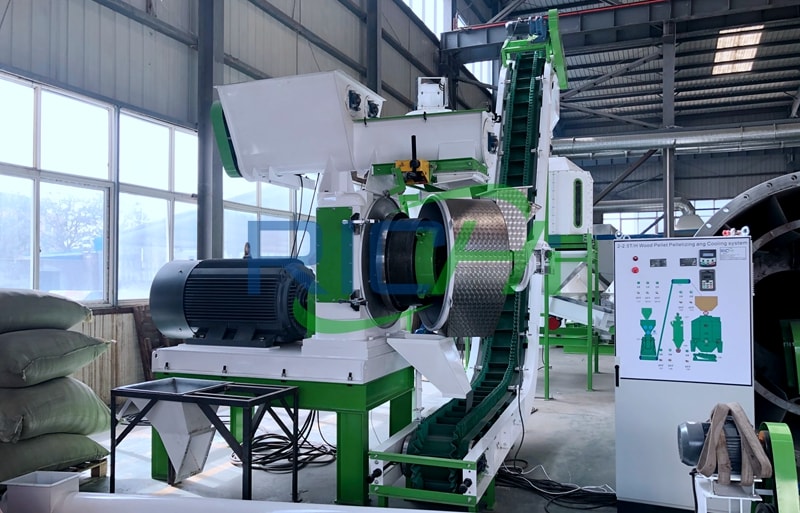
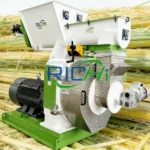

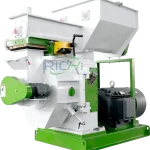
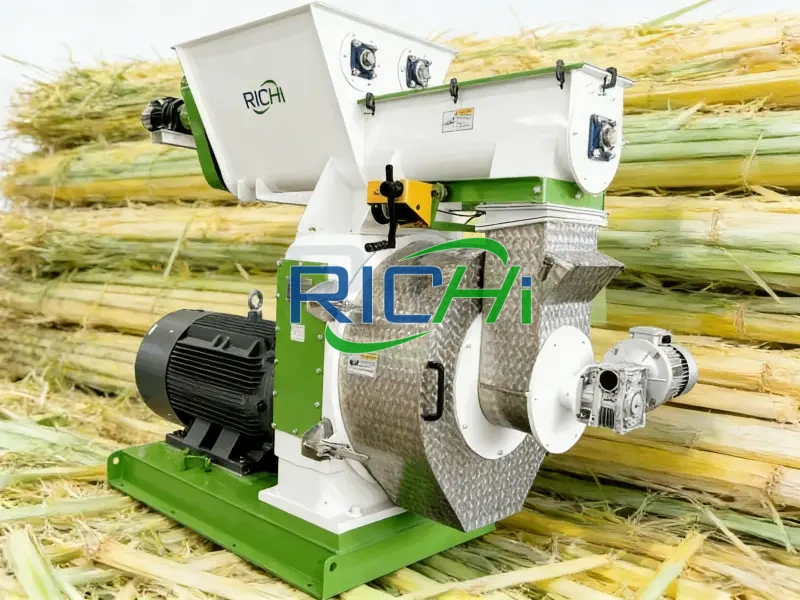
Sugarcane processing generates vast amounts of bagasse every year, especially in regions with strong sugar industries such as Southeast Asia, South America, and Africa. Once treated mainly as low-value waste, bagasse is now widely recognized as a premium biomass resource. A professional bagasse pellet machine enables producers to convert loose, fibrous bagasse into dense, uniform pellets suitable for industrial fuel and energy applications.
This transformation not only improves waste utilization but also creates new revenue streams for sugar mills and biomass producers.
Why Bagasse Is Ideal for Pellet Production
Bagasse is the fibrous residue left after extracting juice from sugarcane. It is abundant, renewable, and continuously generated during sugar production seasons. Compared with raw wood, bagasse does not require additional harvesting or deforestation, making it an environmentally friendly pellet raw material.
From a technical perspective, bagasse contains natural fibers that bond well under high pressure. When moisture is properly controlled, bagasse pellets show stable combustion performance and acceptable ash levels for industrial use.
(Related Post: https://biomasspelletizer.com/bagasse-pellet-machine/)
How a Bagasse Pellet Machine Works
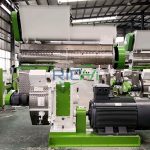
A bagasse pellet machine compresses dried and size-reduced bagasse into pellets using mechanical pressure and heat. The lignocellulosic structure of bagasse helps bind particles together without the need for chemical additives.
However, raw bagasse often has high moisture content and irregular fiber length. That is why preprocessing steps such as drying and crushing are essential. Experienced operators often note—hop over to these guys for real-world feedback—that stable bagasse pellet production depends more on process control than on pelletizing alone.
Bagasse Pellets vs Other Biomass Pellets
Bagasse pellets differ from wood pellets in density, ash composition, and fiber behavior. While wood pellets rely heavily on lignin, bagasse pellets benefit from a lighter fiber structure, making them suitable for certain boiler systems.
Many industrial plants operate mixed-fuel strategies. Producers who already run systems like an industrial paper pellet machine for sale often find bagasse pellets easy to integrate, allowing them to diversify fuel sources and reduce raw material risk.
Industrial Applications of Bagasse Pellets
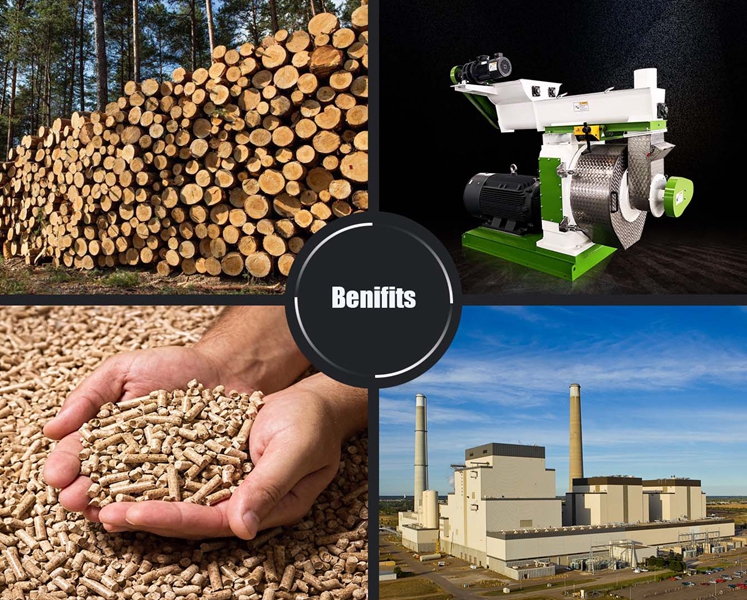
Bagasse pellets are widely used as fuel for industrial boilers, cogeneration plants, and biomass power stations. In sugar-producing regions, they are especially popular for internal energy supply, reducing reliance on fossil fuels.
Additionally, bagasse pellets are increasingly exported to regions seeking alternative biomass fuels. Their standardized form makes transportation, storage, and automated feeding far more efficient than raw bagasse.
Building a Complete Bagasse Pellet Production Line
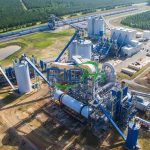
A typical bagasse pellet plant includes drying, crushing, pelletizing, cooling, screening, and packing. Moisture reduction is the most critical step, as excess water directly affects pellet durability and machine performance.
Some producers adopt multifunctional equipment originally designed as a pellet maker machine, upgrading dies and rollers to handle fibrous bagasse. This approach allows flexible processing of bagasse alongside other biomass materials.
Economic Advantages for Sugar Mills and Investors
For sugar mills, pelletizing bagasse converts an internal byproduct into a marketable commodity. Instead of disposing or stockpiling excess bagasse, mills can generate additional income while lowering waste handling costs.
From an investment perspective, bagasse pellet projects benefit from low raw material costs and stable supply during production seasons. Pelletizing also reduces storage volume, improving logistics efficiency and site management.
Environmental and Sustainability Benefits
Using bagasse pellets supports renewable energy goals and reduces greenhouse gas emissions. Pelletizing prevents uncontrolled decomposition of bagasse, which can otherwise release methane.
Governments and industries promoting circular economy practices increasingly favor biomass solutions like bagasse pellets. This policy support strengthens the long-term outlook for bagasse pellet machine investments.
Choosing the Right Bagasse Pellet Machine
When selecting a bagasse pellet machine, buyers should focus on compression ratio, die material strength, and resistance to fiber entanglement. Machines designed for agricultural residues generally perform better than standard wood-only pelletizers.

Equally important is supplier experience. Manufacturers familiar with sugarcane byproducts can provide more accurate guidance on moisture control, throughput optimization, and maintenance planning.
Future Outlook for Bagasse Pellet Production
As global demand for renewable and low-carbon energy continues to rise, bagasse pellets are positioned as a reliable biomass fuel. Countries with established sugar industries are expected to expand pellet production capacity in the coming years.
For producers and investors alike, a bagasse pellet machine is not just equipment—it is a strategic tool for turning agricultural waste into sustainable energy and long-term value.