



How to Turn Cassava Into Uniform Feed Pellets
Cassava is widely cultivated in tropical and subtropical regions and can be processed into different…
Cassava is widely cultivated in tropical and subtropical regions and can be processed into different…
When pet owners compare cat litter products, dust is often one of the first visible…
Pet ownership has changed in ways that go far beyond how people treat their animals….
A fertilizer factory can produce several tons of pellets per hour and still struggle commercially…
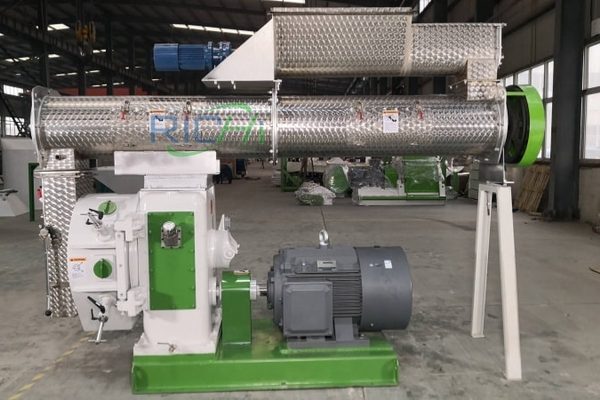
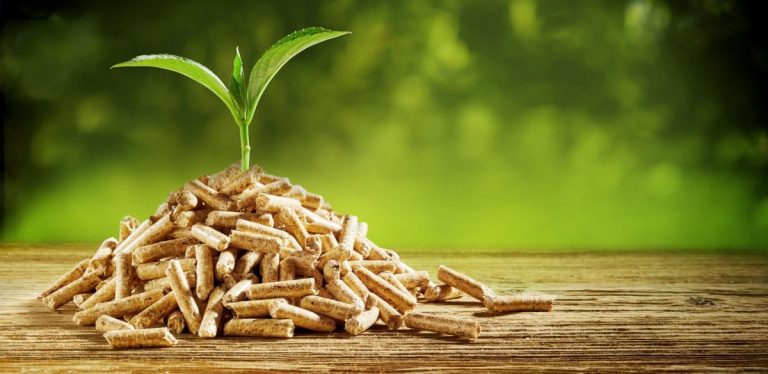
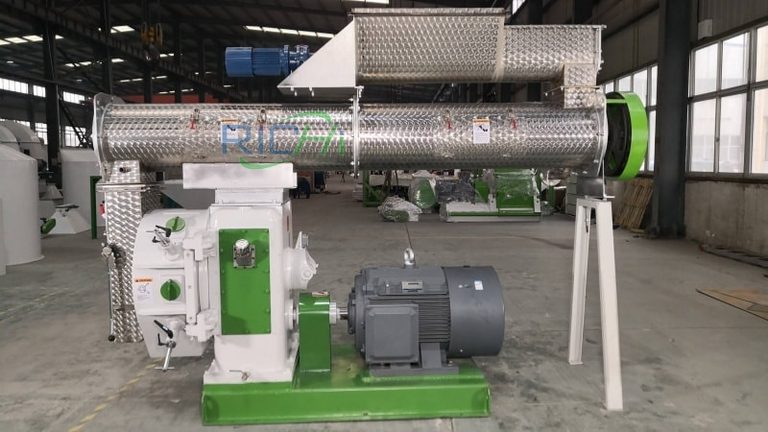
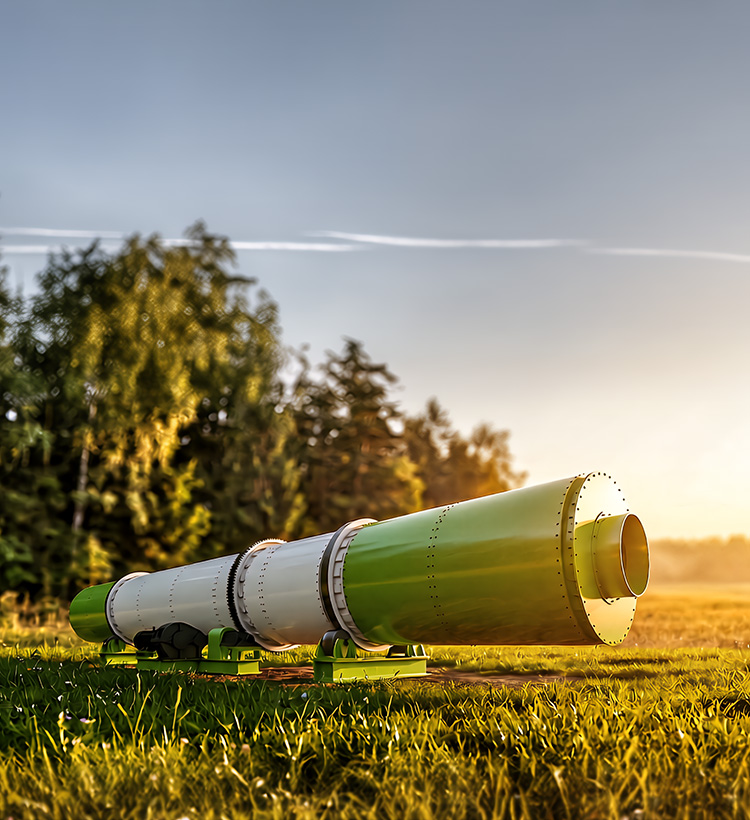
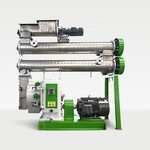
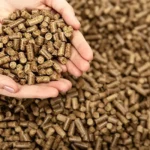
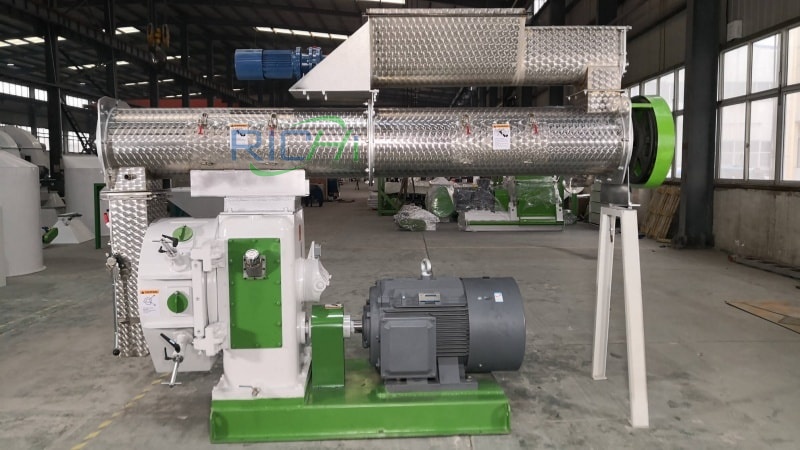
Cassava is widely cultivated in tropical and subtropical regions and can be processed into different products for animal feed and biomass applications. Depending on the material condition and final use, cassava roots, chips, or other cassava residues can be prepared and compressed into pellets. A cassava pellet machine provides the main forming process, but consistent…
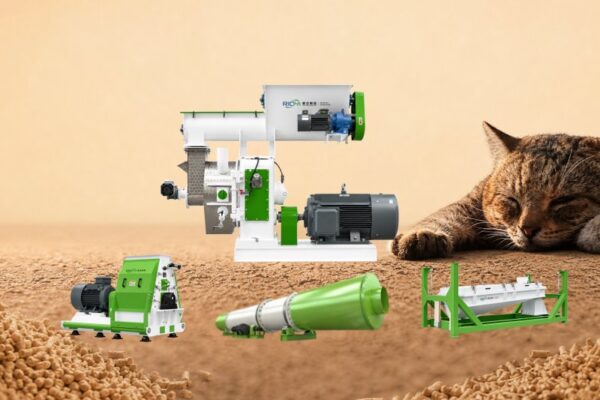
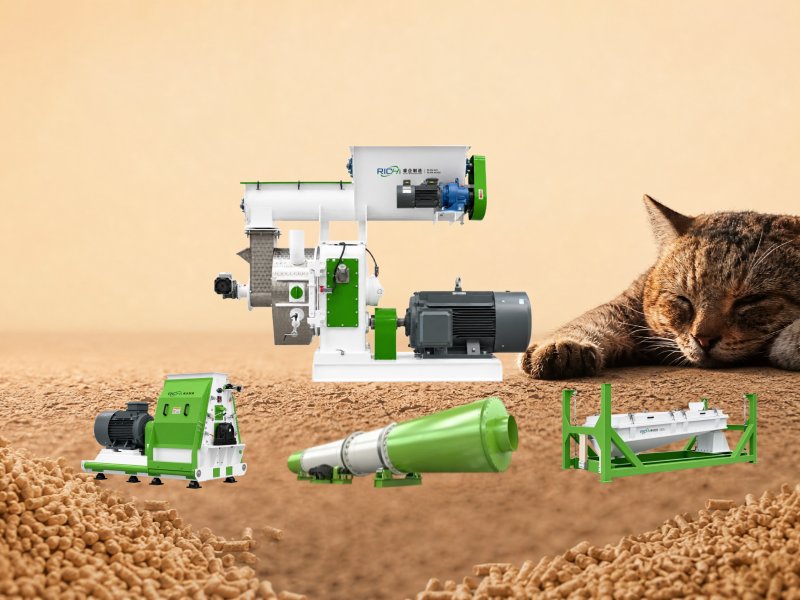
When pet owners compare cat litter products, dust is often one of the first visible differences. Two products may both be made from wood, yet one can pour cleanly while the other creates a noticeable cloud of fine particles. The difference is not necessarily caused by the raw material alone. Dust generation is influenced by…
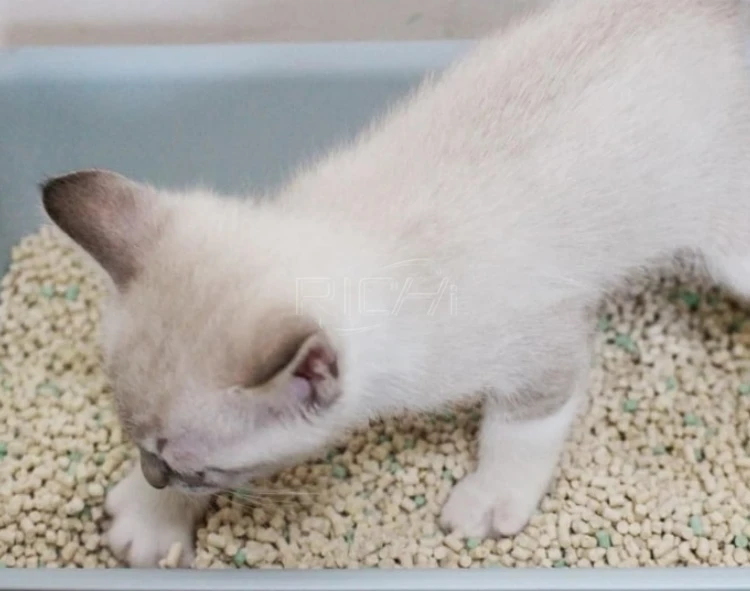
Pet ownership has changed in ways that go far beyond how people treat their animals. It has become an economic force that influences manufacturing, retail, logistics, and even raw material markets. Owners now spend on food, healthcare, grooming, boarding, toys, and hygiene products at levels that would have seemed excessive a generation ago. Within that…
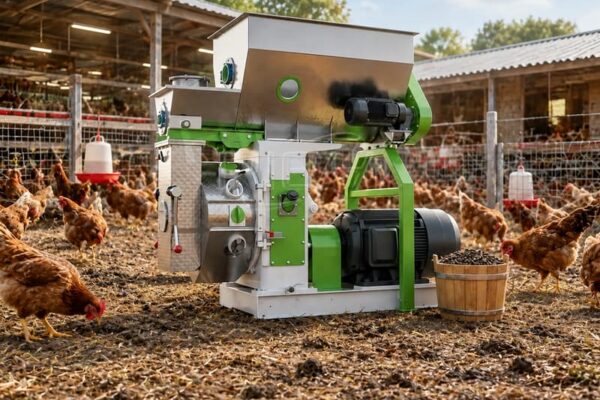
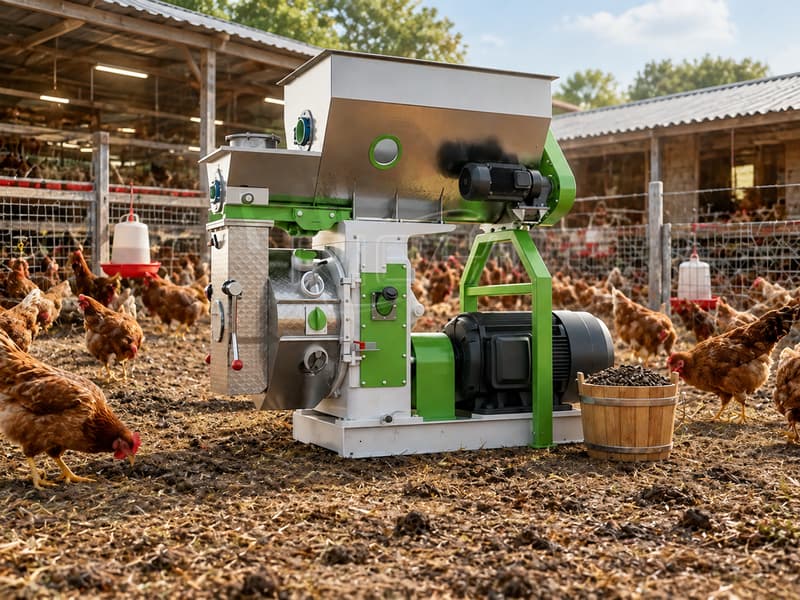
A fertilizer factory can produce several tons of pellets per hour and still struggle commercially if the finished product is inconsistent. Customers notice powder. They notice broken pellets. They notice excessive moisture. They notice bags that contain too much dust or material that falls apart during transportation. This is why pellet quality is often more…
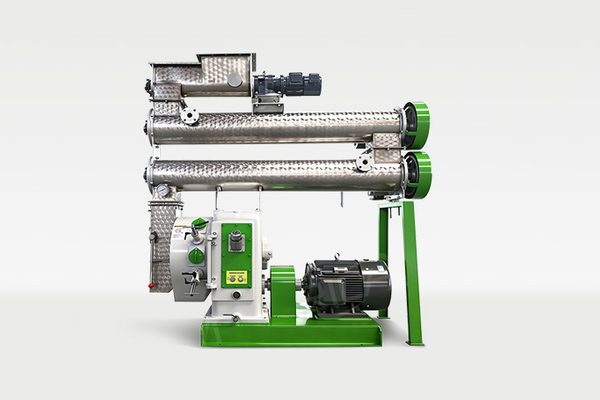
Producing consistent cattle feed is not simply a matter of grinding several ingredients and pressing them into pellets. The quality of the final feed depends on raw-material characteristics, formulation, particle size, moisture, pellet diameter, production capacity, and the way the complete processing system is designed. For farms and feed manufacturers, pelletizing can provide several practical…
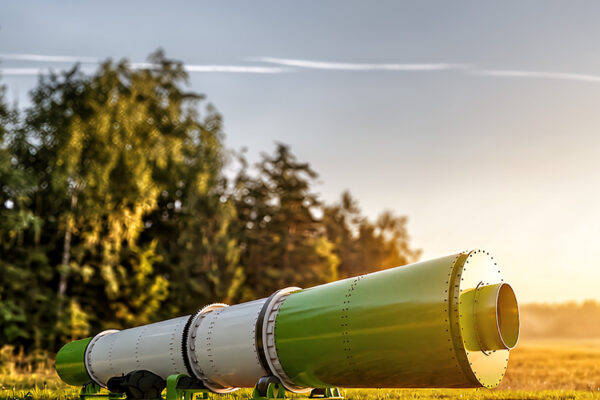
Biomass fuel production is becoming an important way to convert forestry residues, wood processing waste, agricultural residues, and other renewable materials into useful energy products. Wood chips, sawdust, wood shavings, bark, branches, and other wood residues can be processed into pellets, briquettes, or other solid biomass fuels. However, one of the most important factors affecting…
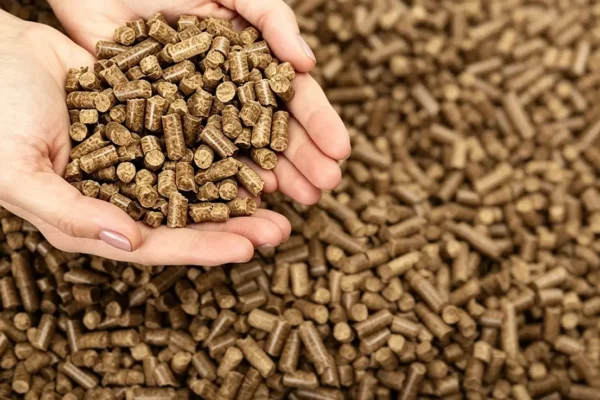
Empty fruit bunches, commonly known as EFB, are one of the major solid biomass residues generated by palm oil mills. After fresh fruit bunches are processed to extract palm oil, large quantities of empty fruit bunches remain. Because EFB contains a high proportion of moisture, long fibers, irregular pieces, and other impurities, it is not…
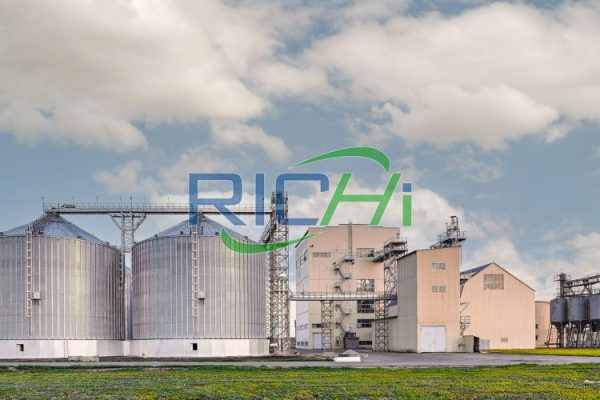
If you’ve been thinking about building a poultry feed plant, you’ve probably run into the same problem everyone runs into. The numbers are all over the place. One person tells you a small line can be set up for the price of a used truck. Another says you need a six-figure budget before you even…

Commercial grass pellet production requires a different approach from occasional on-farm pelletizing. Once a business expects to process several tons of biomass every day, raw material logistics, equipment reliability, energy consumption, storage, and product handling become central parts of the business model. A miscanthus pellet mill can serve as the main forming machine, but the commercial…

Alfalfa has earned its reputation as the queen of forages. For centuries, farmers have relied on this protein-rich legume to feed their animals, and for good reason. Its deep roots draw up minerals from the subsoil, its leaves pack more protein than most other hays, and its fiber supports healthy digestion in ruminants and horses…