How Can Biomass Businesses Build a More Efficient Pellet Production System?

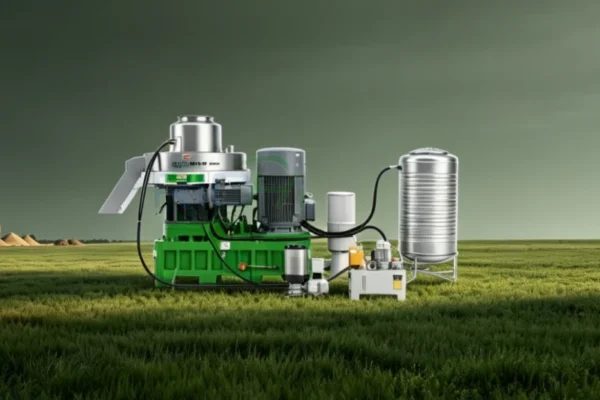
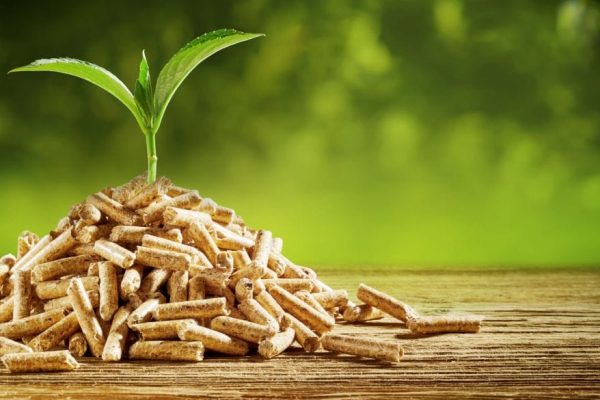
The transition toward renewable energy has created new opportunities for biomass processing companies. As industries search for cleaner fuel alternatives, biomass pellets have become increasingly important in heating, power generation, and industrial energy applications. For businesses with access to agricultural waste, forestry residues, and other biomass resources, pellet production offers a practical way to transform…

Read Full News

How Biomass Pelletizing Reduces Agricultural Waste

Agriculture is one of the world’s most important industries, providing food, feed, and raw materials for billions of people. However, agricultural activities also generate enormous quantities of waste every year. Crop residues such as straw, stalks, husks, shells, and other by-products often accumulate after harvest, creating significant disposal challenges for farmers and rural communities. In…

Read Full News
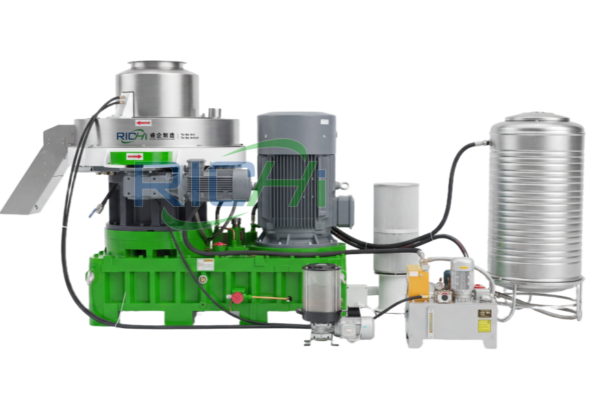
Vertical Biomass Pellet Machine

Can Agricultural Waste Really Become a Profitable Business?

Across the world, millions of tons of agricultural residues are generated every year. For decades, much of this material had little commercial value. Farmers often burned it, discarded it, or left it to decompose naturally. Today, the situation is very different. Growing demand for renewable energy has transformed agricultural by-products into valuable industrial resources. Materials…

Read Full News

Wood Pellet Mill Price Breakdown and How to Find the Best Wood Pellet Plant for Sale

For anyone entering the biomass energy business, two questions dominate the early research phase: what does a wood pellet mill price look like, and where can you find a reliable wood pellet plant for sale? This guide provides a comprehensive answer to both, along with practical advice for evaluating suppliers, comparing configurations, and making a…

Read Full News

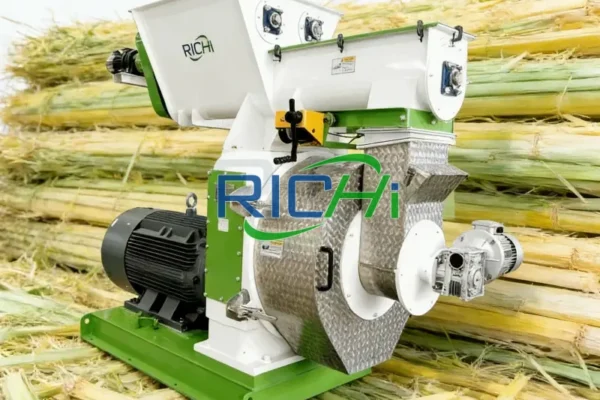
Bagasse Pellet Machine: Transforming Sugarcane Waste into High-Value Biomass Fuel

Sugarcane processing generates vast amounts of bagasse every year, especially in regions with strong sugar industries such as Southeast Asia, South America, and Africa. Once treated mainly as low-value waste, bagasse is now widely recognized as a premium biomass resource. A professional bagasse pellet machine enables producers to convert loose, fibrous bagasse into dense, uniform…

Read Full News

Are Wood Chip Dryers Suitable for Small-Scale Wood Processing Plants?

Wood chip dryers are vital in the wood processing industry, efficiently reducing the moisture content of wood chips, sawdust, and other biomass materials. While these machines are commonly associated with large-scale operations, their suitability for small-scale wood processing plants is worth exploring. This article delves into the feasibility, advantages, and considerations of using wood chip…

Read Full News

Building a 2 T/H Wood Pellet Production Line in France: Key Processes and Considerations

Establishing a 2 tons per hour (T/H) wood pellet production line in France presents a significant opportunity due to the country’s commitment to renewable energy and its ample forest resources. Here’s a comprehensive guide to setting up such a facility, taking into account French regulations and market demands. 1. Project Planning and Feasibility Study Steps:…

Read Full News

Feasibility of Building a Napier Grass Pellet Production Line in India

India’s vast agricultural resources and growing focus on renewable energy present a promising opportunity for establishing a Napier Grass Pellet Production Line for fuel pellets. This article explores the feasibility, benefits, and considerations of implementing such a project in the Indian context. Viability of Napier Grass for Fuel Pellet Production in India Characteristics of Napier…

Read Full News

Equipment and Costs for a 1-2 T/H Sawdust Wood Pellet Production Line in Italy

Italy, with its thriving furniture industry and growing focus on renewable energy, presents an excellent opportunity for establishing a sawdust pellet production line. A 1-2 tons per hour (T/H) capacity plant is ideal for small to medium-sized operations, often integrated with existing wood processing facilities. This article outlines the essential equipment required for such a…

Read Full News

    * We understand that privacy is important to you, so we will only answer the questions you ask and will not disclose your information to third parties.