


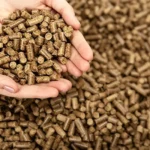


Commercial grass pellet production requires a different approach from occasional on-farm pelletizing. Once a business expects to process several tons of biomass every day, raw material logistics, equipment reliability, energy consumption, storage, and product handling become central parts of the business model.
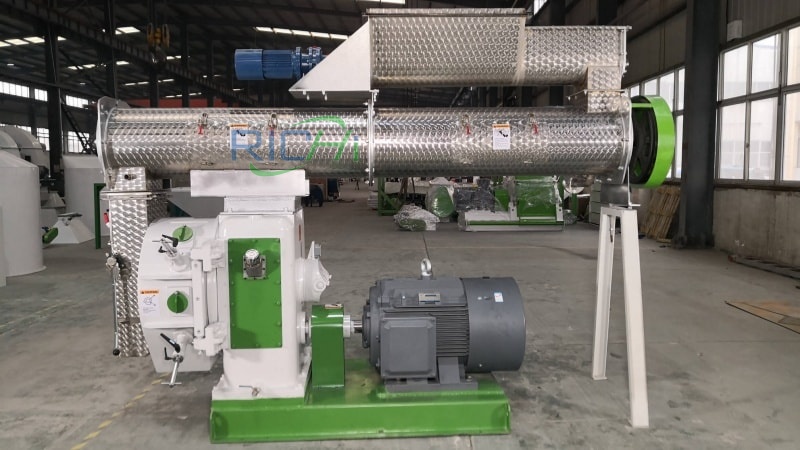
A miscanthus pellet mill can serve as the main forming machine, but the commercial project should be planned around the complete material flow.
Start With the Business Model
Before equipment selection, the producer should determine what kind of biomass pellet business it wants to operate. A local heating supplier may focus on bulk fuel, while an agricultural company may process its own miscanthus and sell pellets to nearby users.
The intended market affects production volume and packaging. Bulk customers may require large quantities with consistent specifications, while retail customers may need smaller packages and additional handling equipment.
Raw material sourcing is equally important. A commercial plant needs enough feedstock to maintain production over the planned operating season. Depending on local agriculture, this may come from owned fields, contracted growers, agricultural residues, or a combination of sources.
Capacity Should Follow Supply
It can be tempting to choose the largest machine available when planning a commercial facility. However, unused capacity does not generate revenue.
The better approach is to calculate realistic annual feedstock availability and determine how many operating hours are practical. Seasonal biomass availability should also be considered. If harvesting occurs only during certain months, storage capacity becomes part of the production strategy.
A commercial system may use multiple pelletizing machines when redundancy and future expansion are important. This can also make maintenance planning easier because production does not necessarily have to stop when one machine requires service.
Integrating the Production Sections
A commercial pellet line usually contains several connected sections. Raw material preparation may include cleaning and crushing, followed by drying when necessary. Prepared biomass is then conveyed to the pelletizing section.
The pelletizing system must receive material at a consistent rate. For fibrous grass, controlled feeding is particularly important because lightweight material can bridge or flow irregularly.
After compression, the hot pellets move through cooling and screening. Finished pellets can then be transferred to bulk storage or packaging.
A commercial grass pellet machine should therefore be evaluated together with the equipment around it. The highest-capacity pellet mill does not automatically create the highest-capacity plant.
Managing Dust and Workplace Conditions
Commercial biomass processing generates dust, especially during crushing, conveying, screening, and packaging. Dust collection and appropriate plant design should therefore be included from the beginning.
Good housekeeping also contributes to reliable production. Accumulated fines around equipment can create maintenance problems and complicate routine cleaning.
Ventilation, electrical design, access routes, and maintenance areas should be considered when developing the factory layout. These details can have a major impact on daily operation.
Labor and Automation
Automation can reduce the number of routine manual tasks in a commercial plant. Automatic feeding, lubrication, temperature monitoring, weighing, and packaging systems can improve consistency and make it easier for operators to monitor production.
However, automation does not remove the need for trained personnel. Operators still need to understand raw material behavior, machine adjustment, routine inspection, and basic troubleshooting.
A well-designed plant should make normal maintenance accessible and provide operators with clear information about operating conditions.
Planning for Expansion
Commercial biomass markets can change. A company that initially sells locally may later supply industrial boilers or regional heating businesses. Production requirements can therefore grow over time.
The factory layout should leave room for additional storage, conveyors, packaging equipment, or pelletizing capacity when practical. Electrical infrastructure and material handling systems should also be evaluated with future expansion in mind.
When reviewing technical proposals, investors can use this link to compare equipment information and understand how individual machines fit into a larger production system.
A commercial pellet press should ultimately be viewed as part of an investment in biomass processing rather than an isolated machine purchase. Successful projects balance feedstock availability, equipment capacity, product demand, operating costs, and future growth.
view details: https://www.richimanufacture.com/miscanthus-pellet-mill/