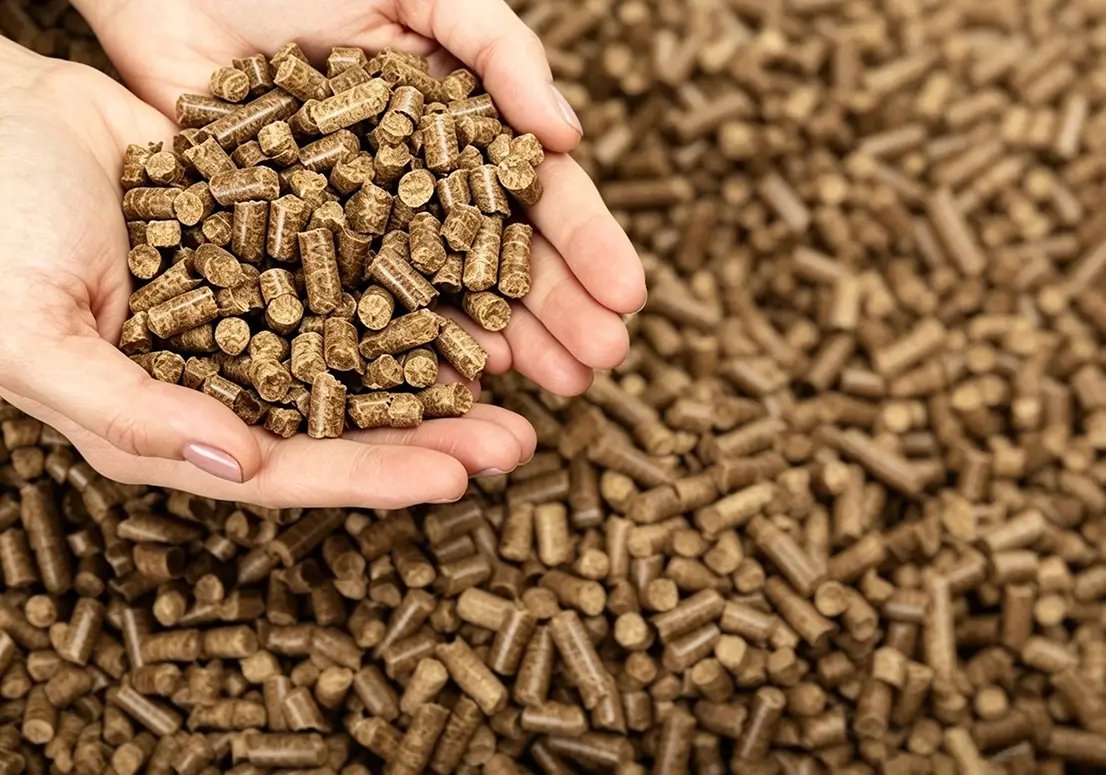



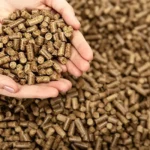


Cassava is widely cultivated in tropical and subtropical regions and can be processed into different products for animal feed and biomass applications. Depending on the material condition and final use, cassava roots, chips, or other cassava residues can be prepared and compressed into pellets.
A cassava pellet machine provides the main forming process, but consistent pellet production depends on proper raw-material preparation. Moisture, particle size, starch content, and the intended application all influence the equipment configuration.
Which Cassava Materials Can Be Processed?
Cassava can enter a pellet production system in several forms.
Fresh cassava contains a high amount of moisture and normally requires more intensive preparation before pelletizing. Cassava chips are easier to store and transport, while dried cassava residues can be processed after suitable size reduction.
The material should be cleaned before entering the production system. Soil, stones, metal, and other foreign materials can damage processing equipment and reduce finished-product quality.
The appropriate processing method therefore depends on whether the factory receives fresh roots, dried chips, cassava meal, or processing residues.
Why Does Moisture Matter?
Moisture has a major influence on pellet formation.
Fresh cassava is generally too wet for direct conventional pelletizing. Drying can reduce the moisture content before the material enters the pellet mill.
Dried cassava chips may first pass through a hammer mill to reduce their particle size. The prepared material can then be mixed with other ingredients if the pellets are intended for animal feed.
The final moisture requirement depends on the raw material, formula, pellet specification, and equipment. Testing the actual cassava material is therefore useful before designing a complete production system.
Cassava Pellets for Animal Feed
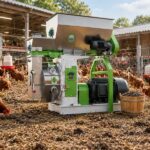
Cassava can provide an energy source in animal-feed formulas. It may be combined with protein sources, bran, minerals, vitamins, and other ingredients according to the nutritional requirements of the target animal.
In this application, cassava is not necessarily processed alone. Instead, it can be ground and blended with other feed ingredients before pelletizing.
A suitable bagasse pellet machine price therefore needs to be considered together with the capacity and configuration of the complete feed-production system.
The final formula should be developed according to the nutritional requirements of the intended livestock species.
Cassava Pellets for Biomass Fuel
Cassava residues can also be considered as biomass raw materials.
In biomass applications, cassava processing residues may be combined with other suitable agricultural materials depending on local availability and the required fuel characteristics.
The material needs to reach an appropriate particle size and moisture condition before pelletizing. After compression, cooling and screening help stabilize the finished pellets before storage.
The quality requirements for fuel pellets are different from those for animal feed, so the equipment configuration should be selected according to the final application.
What Equipment Is Normally Required?
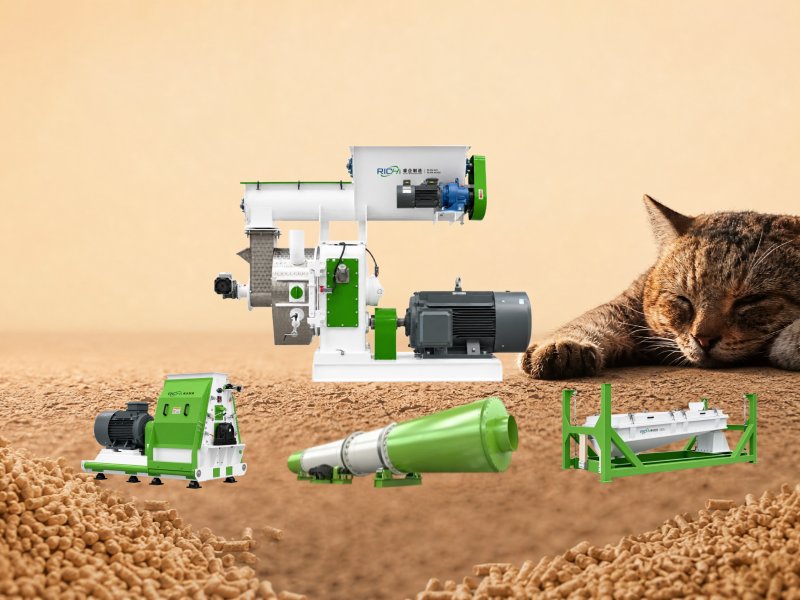
A cassava pellet production system may include:
- Raw-material hopper
- Cleaning equipment
- Hammer mill
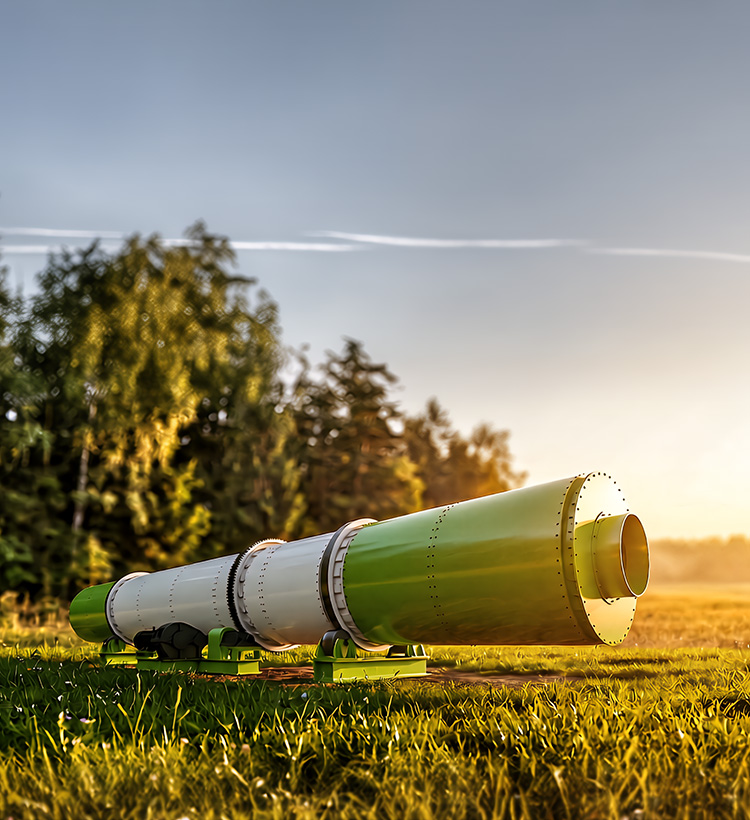
- Dryer, when required
- Mixer for feed applications
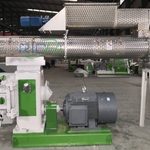
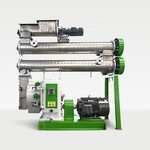
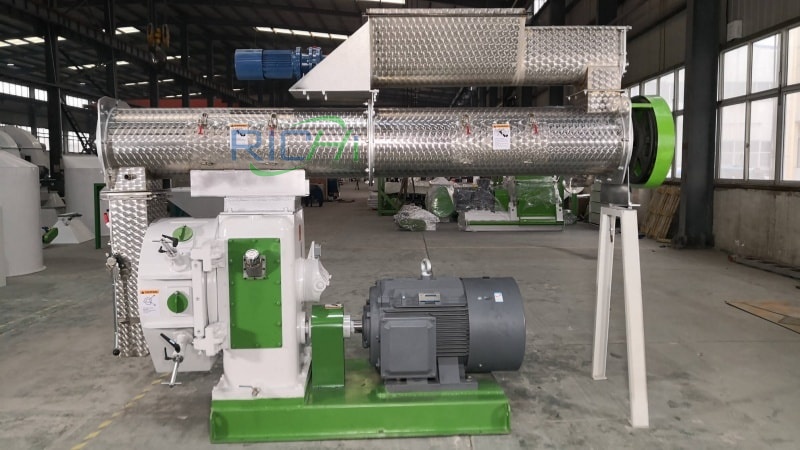
- Pellet mill
- Cooler
- Screener
- Conveyors
- Packing equipment
A small farm does not necessarily need all of these machines. If the cassava arrives already dried and finely processed, the preparation section can be simplified.
For larger production, automatic feeding and conveying can reduce manual handling.
Can Small Farms Process Cassava?
Yes. A small farm can design a compact system according to its own raw-material supply and daily production requirement.
The key is to calculate how much cassava is available and how many hours the equipment will operate each day.
For example, a farm with a limited amount of cassava residue may not benefit from installing a very large pelletizing system. A smaller machine can process the available material over several hours and leave room for future expansion.
What Pellet Size Should Be Used?
Pellet diameter depends on the intended application.
Animal feed may require different pellet sizes according to the livestock species and growth stage. Biomass fuel pellets may follow another specification based on the customer’s requirements and combustion system.
The die determines the approximate pellet diameter, while the cutting system influences pellet length.
If several product sizes are required, interchangeable dies can provide additional flexibility.
Why Are Cooling and Screening Necessary?
Fresh pellets normally leave the pellet mill at an elevated temperature. Cooling helps reduce the temperature and stabilize the pellets before storage.
Screening then separates excessive fines and undersized material from the finished pellets.
This creates a more uniform final product and can reduce loose powder during transportation and packing. Depending on the production design, suitable fines can sometimes return to the pelletizing process.
A Practical Production Flow
A basic cassava pellet process can be organized as:
Cassava → Cleaning → Crushing → Drying if Required → Mixing if Required → Pelletizing → Cooling → Screening → Packing
The actual configuration should be determined by the condition of the cassava and the final product.
Before purchasing a pellet making machine, buyers should provide information about the cassava form, moisture, required output, pellet diameter, and intended application. Raw-material testing can further help determine the appropriate preparation and pelletizing conditions.
With a properly matched process, cassava can be converted from an agricultural material into a more convenient pellet form for storage, transportation, feed production, or biomass utilization. Learn more here about cassava processing equipment and pellet production systems.
Related Post: https://pelletizerequipment.com/bamboo-pellet-machine/