


Pet ownership has changed in ways that go far beyond how people treat their animals. It has become an economic force that influences manufacturing, retail, logistics, and even raw material markets. Owners now spend on food, healthcare, grooming, boarding, toys, and hygiene products at levels that would have seemed excessive a generation ago. Within that spending, one category stands out for its steady, repeat demand: cat litter.
The litter business looks simple from the consumer side. A bag is bought, used, and replaced. From the production side, it is a complex category that sits at the intersection of mining, materials science, granulation technology, packaging, and retail distribution. It is also a category where small producers can still compete, provided they understand the raw materials, the market, and the equipment involved.
The Scale of the Pet Economy
Global pet care spending continues to climb. In the United States alone, annual spending on pets has passed $140 billion, with supplies and over-the-counter medicine making up a substantial share. Cats are the second most common pet after dogs in many markets, and indoor cats use litter every day of their lives. That creates a baseline demand that does not disappear during economic downturns. Owners may trade down to cheaper brands, but they do not stop buying litter.
This stability is attractive to manufacturers. Unlike fashion or electronics, litter is not a discretionary purchase. It is a consumable with a predictable replacement cycle. That predictability supports long-term investment in production capacity. It also means competition is constant. Brands compete on clumping performance, dust level, odor control, tracking, and price. Producers who cannot meet basic performance expectations lose shelf space quickly.
What Pet Owners Actually Judge
Understanding consumer expectations is essential for anyone planning to produce litter. Owners do not evaluate the product with laboratory instruments. They judge it by daily experience.
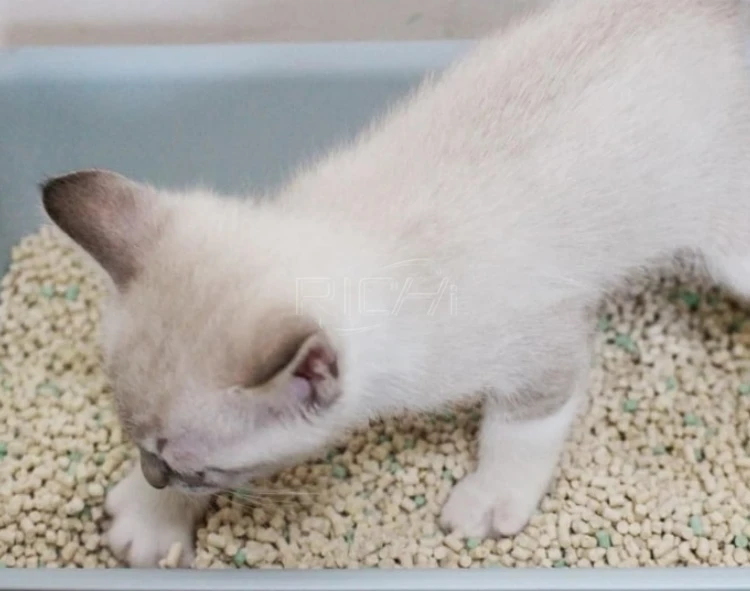
Clumping. For clumping litter, the clump must form quickly and hold together when scooped. A weak clump breaks apart and leaves residue in the box. That is a complaint that leads to brand switching.
Dust. Dust is the most common negative review. It coats surfaces, irritates eyes and respiratory tracts, and makes the product feel low quality. Reducing dust is not only a customer satisfaction issue. It is also a worker safety issue in the plant.
Odor control. Owners want the litter box to remain acceptable between cleanings. Mineral additives such as zeolite and diatomite help trap ammonia and other odorous compounds. The effectiveness depends on the material quality and how it is distributed in the granule.
Tracking. Small, light granules stick to paws and travel through the house. Granule size, shape, and density all affect tracking. Producers can influence this through die selection and formulation.
Value. Owners compare price per pound and how long a bag lasts. A cheaper litter that needs to be replaced more often may cost more over time. A premium litter that performs well can justify a higher price.
These expectations vary by market. Urban apartment dwellers may prioritize odor control and low tracking. Suburban households with multiple cats may prioritize clumping strength and price. Rural customers may accept simpler products. A producer who understands the local market can position the product more effectively.
Raw Materials as a Strategic Choice
Litter production begins with raw material selection, and that selection has strategic implications. The choice of material affects performance, cost, supply security, and even the environmental story a brand can tell.
Bentonite clay is the backbone of clumping litter. Sodium bentonite swells when wet and forms a firm mass. Its performance depends on the deposit, the sodium content, and the processing. High-quality bentonite is not available everywhere, and transport cost can be significant. A producer located near a suitable mine has a cost advantage that is difficult to overcome.
Zeolite and diatomite are used for odor control. They are porous minerals that trap odorous molecules. They are usually more expensive than bentonite and are blended in smaller proportions. Sepiolite and attapulgite offer high absorption and are sometimes used in specialty products.
Plant-based materials occupy a different position. Corn cob, wheat bran, peanut shell, and wood fiber are renewable and biodegradable. They appeal to environmentally conscious buyers. But they absorb less than mineral alternatives, vary in quality, and are often seasonal. A producer using these materials must plan for storage and supply fluctuations.
Some producers combine mineral and plant materials to balance performance and cost. Others use synthetic binders to improve granule strength. The formula is not just a technical document. It is a business decision that reflects the target market, the available raw materials, and the cost structure.
From Raw Material to Finished Bag
The production process turns raw materials into a consistent, shelf-stable product. Each step matters.
Crushing reduces particle size. The screen size determines how fine the material becomes. Too coarse and granules may be weak. Too fine and the material may not flow well through the granulator.
Mixing blends the materials uniformly. Uniformity is critical when additives are used at low inclusion rates. If the odor-control mineral is not evenly distributed, some granules will perform better than others.
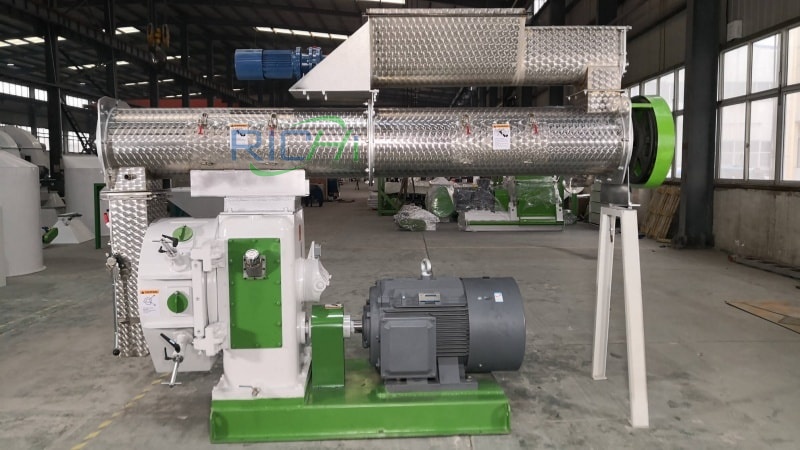
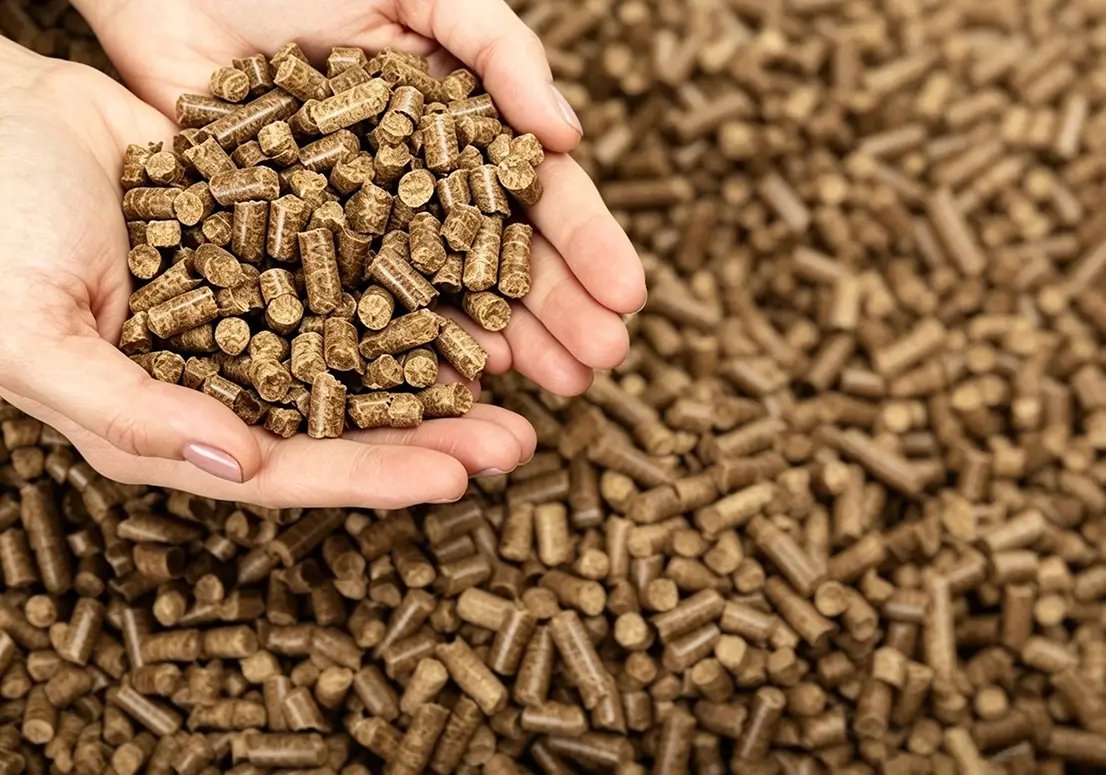
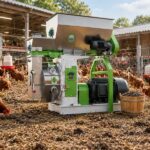
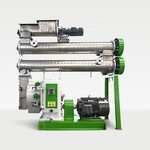
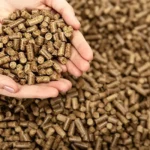
Granulation forms the granules. A ring die or flat die machine presses the material through a die under pressure. The die diameter determines granule size. The compression ratio and die thickness affect hardness and density. Moisture content affects binding. The operator balances these variables for each formula.
Drying removes excess moisture. Overdrying makes granules brittle and dusty. Underdrying leads to mold and caking. The dryer must match the granulator output and the local climate.
Cooling brings granules to ambient temperature. Warm granules sweat in the bag, causing moisture migration and quality problems.
Screening separates granules by size. Oversized granules can be crushed and recycled. Fines return to the mixer. Efficient screening keeps the final product within the target size range.
Dust collection runs throughout the line. Cat litter dust is a health hazard and a quality problem. Collection points at crushing, mixing, granulation, drying, cooling, and packaging reduce dust in the work area and recover material that would otherwise be lost.
Packaging protects the product and communicates the brand. The bag must resist moisture and handling damage. The filling system should be accurate. The design should match the target market.
Where a Cat Litter Processing Plant Fits
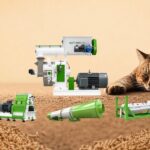
A Cat Litter Processing Plant is the physical embodiment of all these decisions. It is not just a building with machines. It is a system that converts raw materials into a product that meets specific performance standards.
The plant layout should support smooth material flow. Raw materials enter at one end and finished product exits at the other. Storage should be located to minimize handling. Dust control should be designed into the layout, not added later. Utilities should be sized for current and future needs.
Capacity planning is a common source of error. A plant that is too small cannot serve the market. A plant that is too large carries fixed costs that erode profit. The right capacity depends on expected sales, the number of shifts, raw material delivery frequency, and the ability to sell the output consistently.
Labor is another consideration. Cat litter production involves heavy materials, dusty conditions, and repetitive tasks. Automation can reduce labor and improve consistency, but it requires skilled maintenance and reliable power. The level of automation should match the local labor market and the management capability of the operation.
The Role of a Complete Production Line
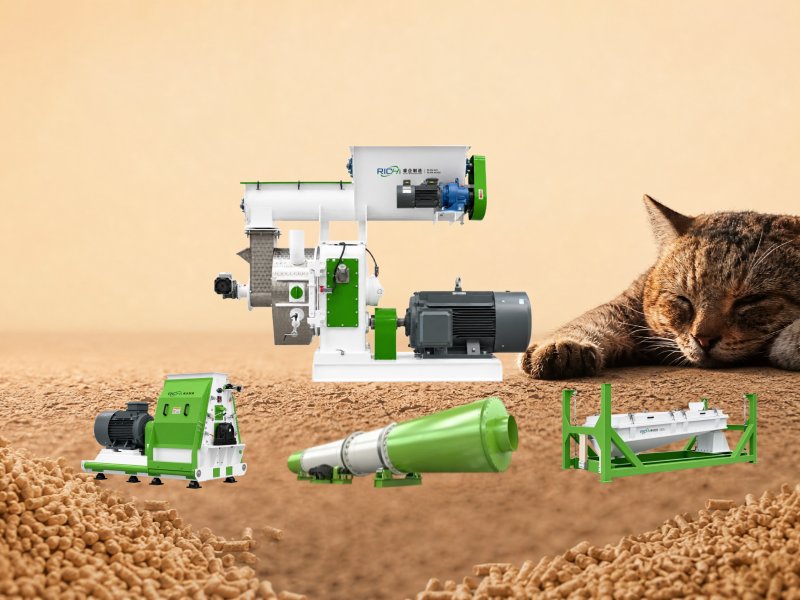
For producers who want to enter the market at a meaningful scale, a Complete Cat Litter Production Line for sale offers a way to acquire the full set of equipment from a single supplier. This can simplify installation, commissioning, and spare parts management. It can also reduce the risk of mismatched equipment, where one stage of the process cannot keep up with another.
But a complete line is not a turnkey business. The producer still needs to secure raw materials, develop a formula, train operators, establish quality control, and build a distribution network. The equipment provides the capability. The business provides the results.
When evaluating a complete line, buyers should ask about the supplier’s experience with their specific materials. Bentonite, zeolite, and plant fibers behave differently. A line designed for one material may need adjustment for another. The supplier should be able to explain the differences and recommend appropriate die configurations, moisture levels, and drying parameters.
Equipment Suppliers and Manufacturing Background
The supplier relationship does not end at delivery. Dies wear out. Rollers need replacement. Screens tear. Bearings fail. A supplier who can provide spare parts quickly and offer technical support is more valuable than one who offers a lower price but disappears after the sale.
Producers often review a manufacturer’s background before committing to a project. A company such as Richi Pellet Mill may have experience across multiple granulation applications, from animal feed to biomass to mineral products. That breadth can be useful, but it should be verified against specific cat litter experience. A supplier who has worked with similar materials will anticipate problems that others miss.
It also helps to visit a running plant. Seeing a similar operation can reveal practical issues that are not visible in a catalog. How is the material fed? How often is the die changed? How is dust controlled? How are fines handled? These details matter more than glossy photos.
Market Trends Shaping Demand
Several trends are influencing the cat litter market and, by extension, the equipment and raw materials used to produce it.
Premiumization. Owners are willing to pay more for products that perform better. Low-dust, strong-clumping, long-lasting litters command higher prices. This creates opportunities for producers who can meet higher performance standards.
Sustainability. Biodegradable and plant-based litters appeal to environmentally conscious buyers. Some markets have regulations or consumer preferences that favor renewable materials. Producers using these materials must manage supply variability and lower absorption.
Health awareness. Dust and respiratory irritation are growing concerns. Products marketed as low-dust or dust-free are gaining share. This puts pressure on producers to improve dust control in both the product and the plant.
E-commerce. Online sales of pet supplies have grown rapidly. This changes packaging requirements, shipping durability, and customer feedback dynamics. A product that arrives damaged or generates complaints online loses sales quickly.
Private label. Retailers increasingly offer their own litter brands. This creates opportunities for contract manufacturers who can produce consistent quality at scale. It also puts pressure on branded producers.
Environmental and Regulatory Considerations
Cat litter production has environmental implications at several stages. Mining bentonite disturbs land. Processing consumes energy. Packaging generates plastic waste. Disposal of used litter adds to landfill volume.
Some producers respond by using renewable materials, reducing packaging, or offering biodegradable options. Others focus on process efficiency, reducing energy and waste in the plant. Regulations vary by region. Some markets have strict rules on dust emissions, wastewater, and solid waste. A new plant should investigate local requirements before finalizing its design.
Occupational safety is also a regulatory concern. Dust exposure limits, noise levels, and machine guarding are common requirements. Compliance is not optional. It is part of operating a legitimate business.
A Practical Path for New Producers
For someone considering entry into the cat litter market, a practical path looks like this:
Study the local market. Understand what products are sold, at what prices, and through which channels. Identify gaps that a new producer could fill.
Secure raw materials. Find reliable suppliers and test their materials. Negotiate pricing and delivery terms.
Define the product. Choose the segment, granule size, packaging, and performance targets.
Design the process. Select equipment that matches the product and the scale. Plan the layout, utilities, and dust control.
Plan the investment. Include equipment, installation, buildings, utilities, working capital, and contingency.
Train the team. Operators need to understand the process. Maintenance staff need to know how to service the equipment.
Test and refine. Run trials, check quality, and adjust the formula and process.
Scale gradually. Start with capacity you can sell. Add shifts or equipment as demand grows.
Conclusion
The pet care industry has created a durable market for cat litter, and that market supports a range of production scales. Small producers can compete by focusing on local markets, specific segments, or private label contracts. Larger producers can compete through scale, automation, and brand building.
A Cat Litter Processing Plant is a significant investment, and a Complete Cat Litter Production Line for sale can provide the technical foundation. But the business depends on raw material access, product performance, quality control, and distribution. Producers who understand the full system, from mine to litter box, are better positioned than those who focus only on the machine.