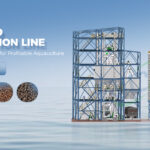
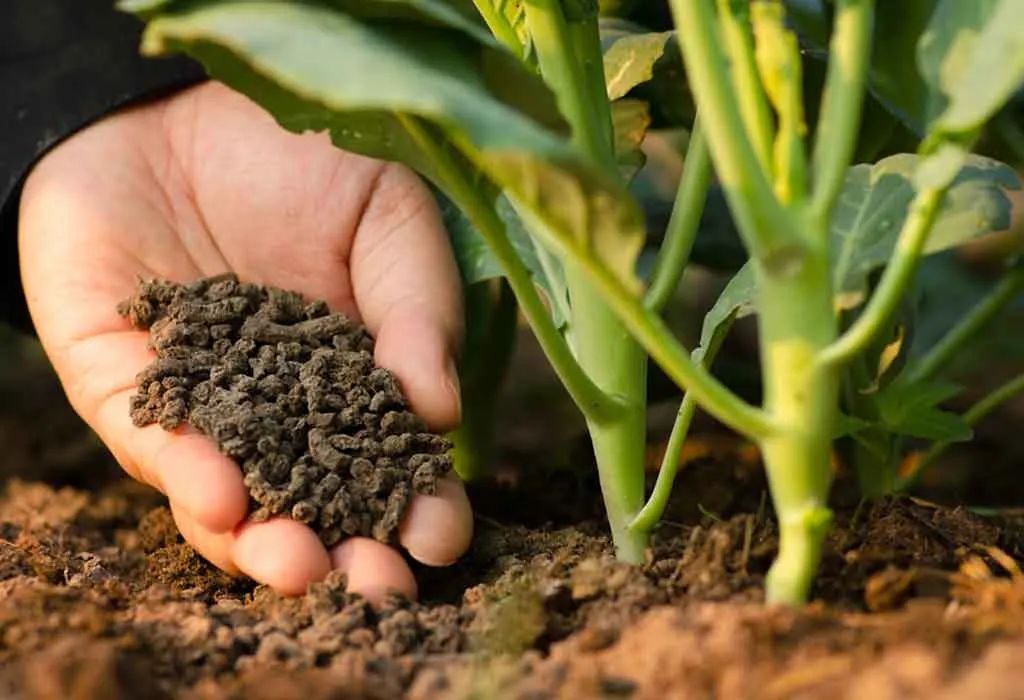
Organic fertilizer pellets have become increasingly popular in modern agriculture due to their ease of application, improved nutrient retention, and environmental benefits. As farmers and fertilizer manufacturers seek sustainable alternatives to chemical fertilizers, the demand for organic fertilizer pellets continues to grow worldwide. Producing high-quality organic fertilizer pellets requires more than just suitable raw materials. A complete production process depends on a series of specialized machines that work together to transform organic waste into uniform and durable fertilizer granules.
Organic fertilizer pellets can be produced from a wide range of raw materials, including livestock manure, poultry manure, compost, crop residues, agricultural waste, municipal organic waste, mushroom residues, and other biodegradable materials. These materials contain valuable nutrients that can improve soil fertility and crop productivity. However, before they can be converted into pellets, they must undergo several processing stages, each requiring specific equipment.
The first stage of organic fertilizer pellet production is raw material collection and preparation. Organic materials often contain impurities such as stones, plastics, metal fragments, and oversized debris. Therefore, screening and cleaning equipment may be necessary to remove unwanted materials before processing begins. Proper preparation helps improve product quality and protects downstream equipment from damage.
Once the raw materials are collected, composting becomes one of the most important steps in the production process. Fresh manure and organic waste often contain harmful pathogens, weed seeds, and excessive moisture. Composting allows these materials to decompose under controlled conditions, reducing pathogens and stabilizing nutrients.
To improve composting efficiency, many fertilizer plants use compost turners. Compost turning machines regularly mix and aerate organic materials, ensuring that oxygen reaches all parts of the compost pile. Proper aeration accelerates microbial activity and shortens the fermentation period. Depending on production scale, manufacturers may choose groove-type compost turners, windrow compost turners, or self-propelled composting machines.
After composting is completed, the material must be crushed into smaller particles. Organic materials often form large clumps during fermentation, making crushing an essential step. Fertilizer crushers are designed to break down these materials into fine particles suitable for granulation. Common crushing equipment includes chain crushers, cage crushers, and semi-wet material crushers.
Particle size consistency is extremely important for producing uniform fertilizer pellets. Finely crushed materials allow better mixing and improve the efficiency of subsequent processing stages. Proper crushing also contributes to higher pellet quality and more stable production.
The next step is batching and mixing. Different organic materials may contain varying nutrient levels, so producers often combine multiple ingredients to achieve a balanced fertilizer formula. Additional nutrients such as nitrogen, phosphorus, potassium, trace elements, or microbial additives may also be incorporated into the mixture.
Automatic batching systems are commonly used in medium and large-scale fertilizer plants. These systems accurately measure and proportion raw materials according to predetermined formulas. Precise batching ensures consistent product quality and nutrient content.
Following batching, the materials enter a fertilizer mixer. Mixing equipment ensures that all ingredients are evenly distributed throughout the material. Uniform mixing is essential because it directly affects the nutrient distribution within the final fertilizer pellets. Horizontal mixers, double-shaft mixers, and vertical mixers are among the most commonly used options.
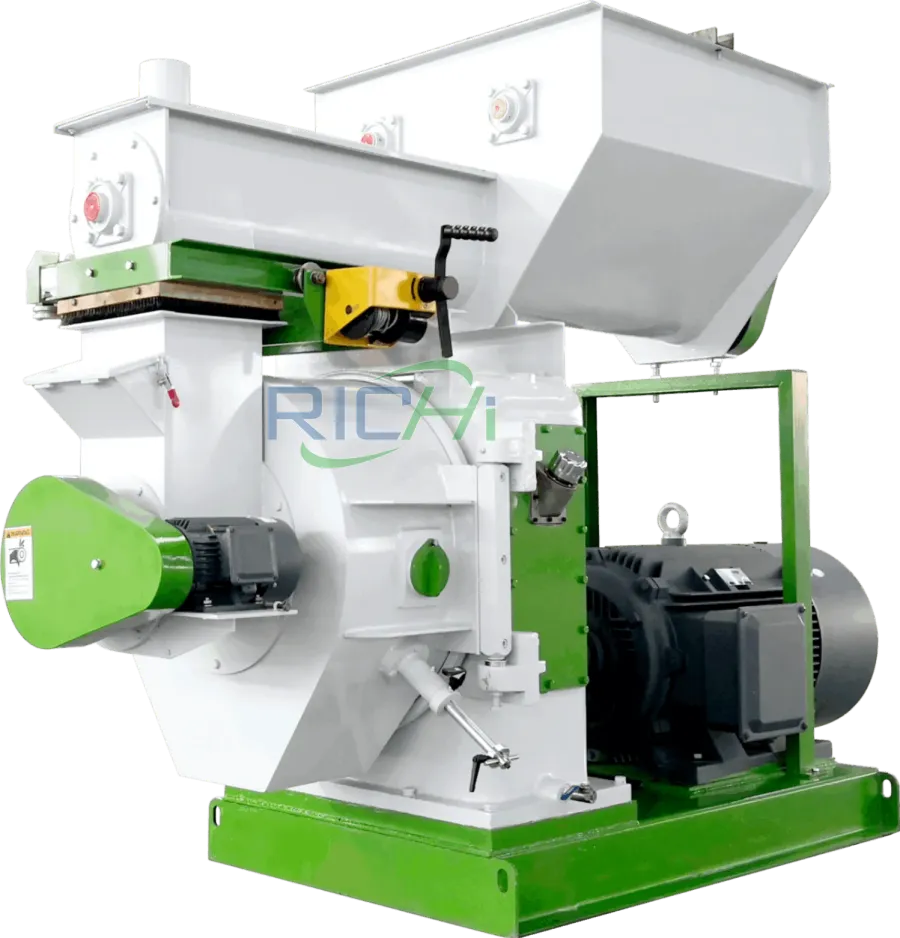
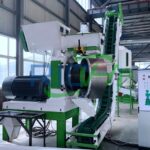
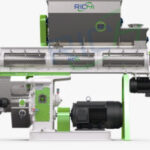
After mixing, the material is ready for granulation. This stage is considered the heart of the entire production line because it determines the shape, density, and quality of the fertilizer pellets. The most important equipment used in this stage is the organic fertilizer granulator machine.
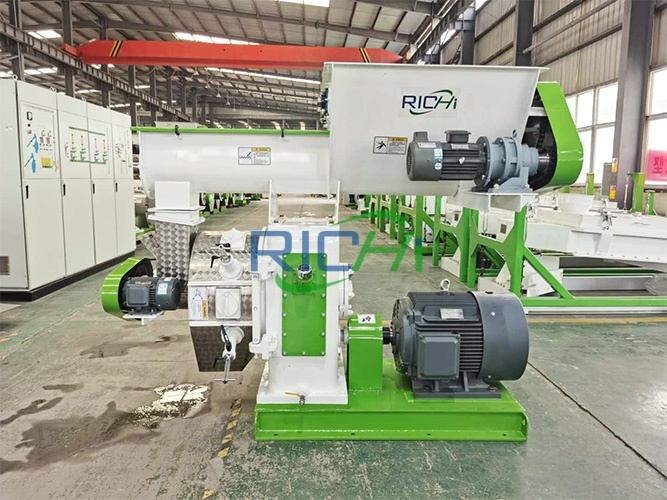
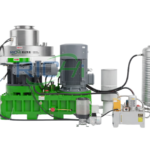
An organic fertilizer granulator machine compresses or shapes powdered organic material into uniform granules. Several types of granulators are available, each suitable for different raw materials and production requirements. Popular choices include disc granulators, rotary drum granulators, flat die granulators, ring die granulators, and new-type organic fertilizer granulators.
The organic fertilizer pellet machine plays a crucial role in transforming loose organic materials into marketable fertilizer pellets. High-quality granulation improves fertilizer appearance, handling characteristics, storage stability, and application efficiency. Uniform pellets are also easier to package, transport, and apply in agricultural fields.
Disc granulators are widely used because of their simple structure and relatively low investment cost. They produce round granules through continuous rolling and agglomeration of moist materials. Rotary drum granulators are often preferred for large-scale production because they offer high output capacity and excellent production efficiency.
New-type organic fertilizer granulators have gained popularity in recent years due to their ability to process fermented organic materials directly without excessive drying. These machines utilize mechanical stirring forces and high-speed rotation to form granules efficiently while maintaining nutrient integrity.
After granulation, the newly formed pellets often contain excessive moisture. Drying equipment is therefore required to reduce moisture content and improve pellet strength. Fertilizer dryers are essential for ensuring that pellets remain stable during storage and transportation.
Rotary dryers are commonly used in organic fertilizer production plants. These machines expose pellets to controlled hot air, gradually removing moisture without damaging the nutrient content. Proper drying improves pellet hardness and prevents caking during storage.(read more)
Once drying is completed, the pellets usually enter a cooling system. Fertilizer coolers lower the temperature of freshly dried granules and further improve their mechanical strength. Cooling also reduces the risk of moisture condensation during packaging and storage.
Counterflow coolers and rotary coolers are frequently used in fertilizer production lines. Effective cooling enhances pellet durability and improves overall product quality.
Screening equipment represents another important part of the production process. Not all granules produced during granulation meet the desired size specifications. Some pellets may be too large, too small, or irregularly shaped.
Rotary screening machines separate qualified pellets from oversized and undersized particles. Oversized pellets can be crushed and returned to the production process, while undersized particles can be re-granulated. This recycling system helps maximize raw material utilization and improve production efficiency.
After screening, the pellets may undergo coating treatment. Fertilizer coating machines apply a thin protective layer to the granule surface. This coating helps reduce dust generation, prevent nutrient loss, and improve the appearance of the final product.
Coating can also enhance fertilizer performance by controlling nutrient release rates. Controlled-release fertilizers are increasingly popular because they provide nutrients gradually over an extended period, improving crop uptake efficiency and reducing nutrient losses.
Packaging equipment is the final stage of organic fertilizer pellet production. Automatic packaging machines weigh, fill, seal, and label fertilizer bags according to market requirements. Modern packaging systems can significantly improve productivity while reducing labor costs.
Packaging protects fertilizer pellets from moisture and contamination during transportation and storage. Depending on customer needs, fertilizers may be packaged in small retail bags, medium-sized agricultural sacks, or large bulk containers.
In addition to the main production equipment, several auxiliary systems contribute to efficient plant operation. Conveyor systems transport materials between processing stages, reducing manual handling requirements. Dust collection systems help maintain a clean working environment and improve worker safety.
Control systems have become increasingly important in modern fertilizer plants. Automated control technologies allow operators to monitor equipment performance, regulate production parameters, and optimize production efficiency. Sensors and computerized systems can track temperature, moisture content, material flow, and machine status in real time.
Energy efficiency is another key consideration when selecting fertilizer production equipment. Modern machines are designed to reduce power consumption while maintaining high productivity. Efficient equipment lowers operating costs and improves overall profitability.
The scale of production influences equipment selection. Small-scale producers may require only basic composting, crushing, mixing, granulation, and packaging equipment. Larger commercial operations often invest in fully automated production lines capable of processing thousands of tons of organic fertilizer annually.
Equipment quality also plays a significant role in production success. Reliable machinery reduces downtime, lowers maintenance costs, and ensures consistent product quality. When investing in a fertilizer plant, manufacturers should carefully evaluate equipment durability, production capacity, energy consumption, and technical support services.
Environmental considerations are increasingly shaping the organic fertilizer industry. Modern production equipment is designed to minimize emissions, reduce waste generation, and improve resource utilization. Many fertilizer plants now incorporate advanced dust control, wastewater treatment, and odor reduction systems to meet environmental regulations.
The growing demand for sustainable agriculture continues to drive innovation in fertilizer production technology. New developments in granulation, drying, automation, and nutrient management are helping manufacturers improve efficiency while producing higher-quality fertilizers.
Among all equipment used in the production process, the organic fertilizer granulator machine remains the most critical component. It directly determines pellet quality, production capacity, and overall plant performance. Choosing the right granulator is therefore essential for achieving commercial success in the organic fertilizer industry.
https://richipelletizer.com/organic-fertilizer-pellet-machine
In conclusion, producing organic fertilizer pellets requires a complete set of specialized equipment, including compost turners, crushers, batching systems, mixers, granulators, dryers, coolers, screening machines, coating equipment, packaging systems, and auxiliary machinery. Each machine plays a specific role in transforming organic waste into valuable agricultural products. As demand for sustainable fertilizers continues to grow, investing in efficient and reliable equipment will remain a key factor in building successful organic fertilizer pellet production operations. The organic fertilizer granulator machine serves as the centerpiece of this process, enabling manufacturers to produce uniform, durable, and marketable fertilizer pellets that support modern agricultural development.