

Modern aquaculture has evolved into a highly efficient and technology-driven industry. As global demand for seafood continues to rise, fish farming operations are expanding in both scale and complexity. One of the most critical factors determining the success of these operations is the quality and efficiency of fish feed production.
In the past, fish feed was often produced using simple manual methods or basic mechanical equipment, leading to inconsistent quality and inefficient production. Today, however, advanced fish feed manufacturing systems have revolutionized the industry. These systems integrate automation, precision engineering, and advanced processing technologies to produce high-quality feed on a large scale.
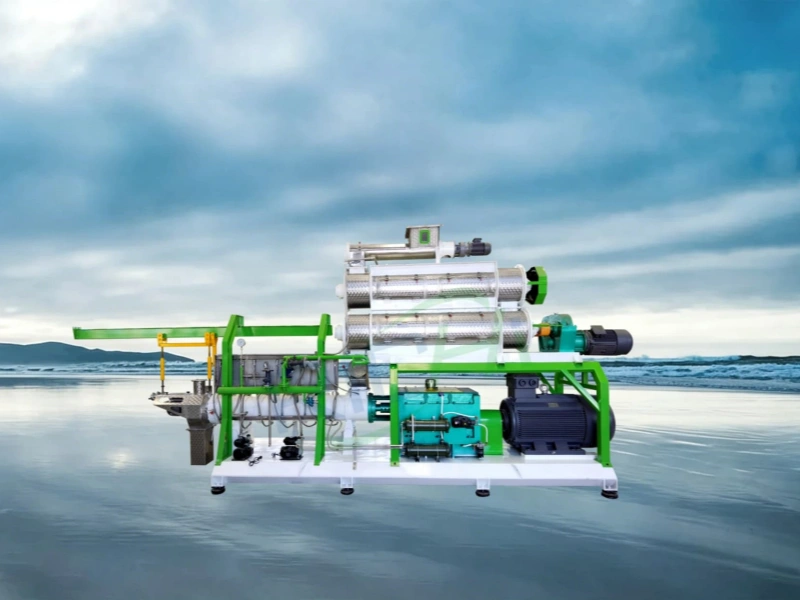
Core equipment such as the fishing pellet making machine and the fish feed extruder machine plays a vital role in ensuring consistent pellet quality, improving feed efficiency, and reducing production costs.
This article explores the key benefits of modern fish feed manufacturing systems and explains why they are essential for sustainable and profitable aquaculture.
1. Overview of Modern Fish Feed Manufacturing Systems
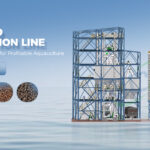
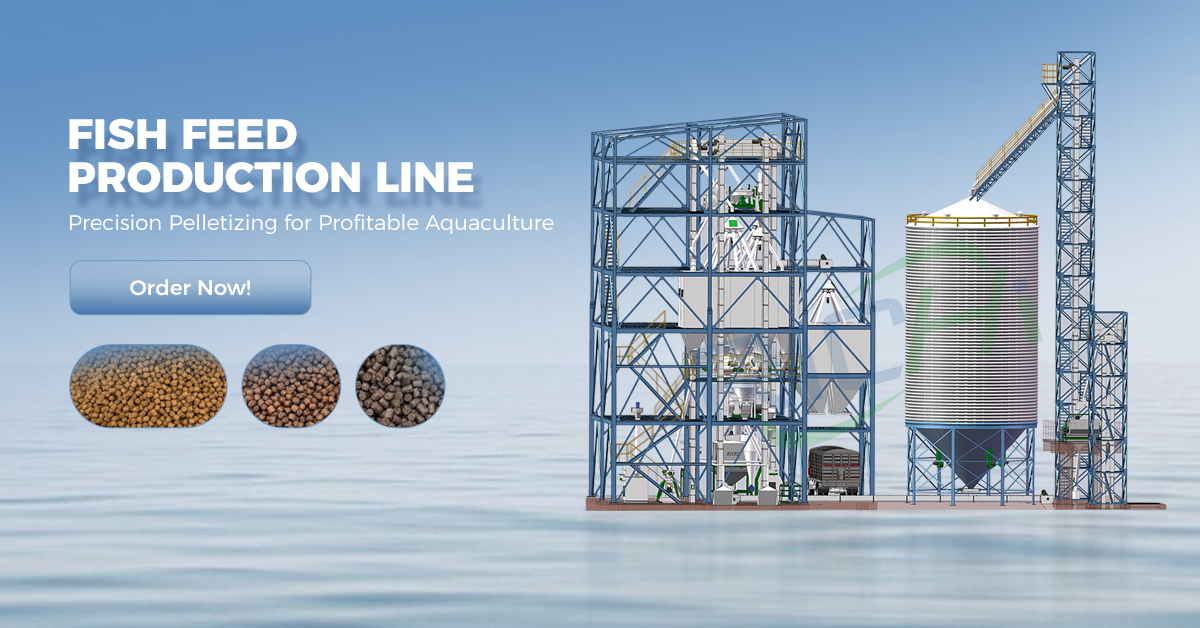
A modern fish feed manufacturing system is a fully integrated production setup that converts raw ingredients into finished fish feed pellets through a series of controlled processing stages.
Main components include:
- Raw material handling system
- Grinding equipment
- Mixing system
- Conditioning unit
- Pelletizing or extrusion system
- Drying system
- Cooling system
- Oil coating system
- Packaging system
Each stage is designed to ensure optimal feed quality and production efficiency.
2. Improved Feed Quality and Nutritional Precision
One of the most important benefits of modern systems is improved feed quality.
2.1 Precise Nutritional Formulation
Modern systems allow producers to:
- Accurately measure ingredients
- Control nutrient balance
- Customize feed for different fish species
This ensures that fish receive the exact nutrients they need for optimal growth.
2.2 Consistent Pellet Quality
Automation ensures:
- Uniform pellet size
- Stable density
- High structural integrity
Consistent feed improves fish feeding behavior and reduces waste.
3. Role of Fishing Pellet Making Machine in Feed Production
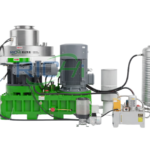
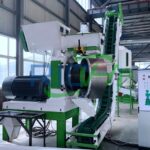
The fishing pellet making machine is a core component in many fish feed manufacturing systems.
It is responsible for compressing raw feed materials into solid, uniform pellets.
3.1 How It Works
- Mixed feed enters the machine
- Mechanical pressure is applied
- Material is forced through a die
- Pellets are formed and cut into size
3.2 Key Benefits
- Produces uniform feed pellets
- Enhances pellet durability
- Improves feed efficiency
- Reduces material waste
3.3 Importance in Aquaculture
The fishing pellet making machine ensures that feed is suitable for:
- Freshwater fish
- Ornamental fish
- Farmed aquatic species
Its role is essential for stable production.
4. Importance of Fish Feed Extruder Machine
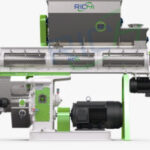
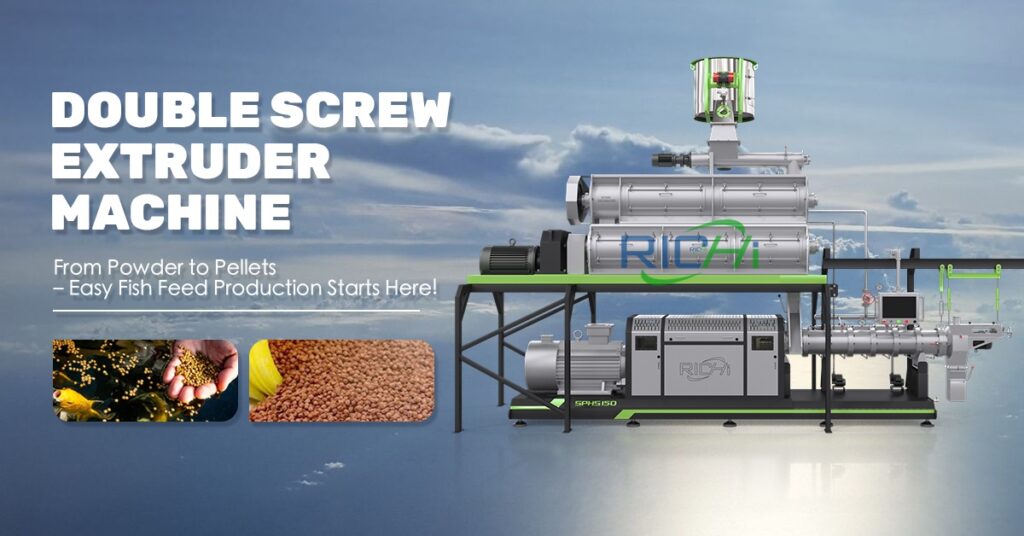
The efficient fish feed extruder machine is another critical technology in modern feed manufacturing.
It is mainly used to produce floating or expanded fish feed pellets.
4.1 Working Principle
The extruder uses:
- High temperature
- High pressure
- Mechanical shear force
to process feed materials.
4.2 Production Process
- Raw materials are fed into the barrel
- Heat and pressure are applied
- Starch gelatinization occurs
- Feed expands and becomes porous
- Pellets are cut into uniform shapes
4.3 Key Advantages
- Produces floating feed
- Improves digestibility
- Enhances feed stability in water
- Kills harmful microorganisms
4.4 Importance for Modern Aquaculture
Floating feed allows farmers to:
- Monitor feeding behavior
- Reduce feed waste
- Improve water quality
- Control feeding rates precisely
This makes the fish feed extruder machine essential for efficient fish farming.
5. Increased Production Efficiency
Modern fish feed manufacturing systems significantly improve production efficiency.
Key improvements include:
- Continuous production flow
- Automated ingredient handling
- Reduced manual intervention
- Faster processing speed
Efficiency leads to higher output and lower production cost.
6. Reduction in Labor Costs
Automation reduces dependence on manual labor.
Benefits:
- Fewer workers required
- Reduced training costs
- Lower operational expenses
- Improved production consistency
This makes large-scale production more economically viable.
7. Better Feed Conversion Ratio (FCR)
Feed conversion ratio is a critical metric in aquaculture.
Modern systems improve FCR by:
- Enhancing feed digestibility
- Improving pellet quality
- Reducing feed waste
- Providing balanced nutrition
A lower FCR means higher efficiency and profitability.
8. Improved Water Stability of Feed Pellets
Feed pellets must remain stable in water long enough for fish consumption.
Modern systems ensure:
- Strong pellet structure
- Reduced disintegration
- Controlled nutrient release
This reduces water pollution and feed loss.
9. Enhanced Digestibility and Fish Growth
Modern processing techniques improve nutrient absorption.
Benefits include:
- Faster fish growth
- Higher survival rates
- Stronger immunity
Better digestibility improves overall aquaculture performance.
10. Reduced Feed Waste
Feed waste is a major cost in aquaculture.
Modern systems reduce waste through:
- Uniform pellet production
- Floating feed technology
- Controlled feeding systems
Less waste means lower production costs.
11. Energy Efficiency and Cost Savings
Modern manufacturing systems are designed for energy efficiency.
Key features:
- High-efficiency motors
- Optimized processing flow
- Reduced heat loss
This lowers operational expenses significantly.
12. Improved Automation and Smart Control
Modern systems use advanced automation technology.
Features include:
- PLC control systems
- Real-time monitoring
- Automatic ingredient dosing
- Temperature control systems
Automation ensures consistent production quality.
https://pelletisingmachine.com/fish-feed-production-line
13. Flexibility in Feed Production
Modern systems allow manufacturers to produce different types of feed:
- Floating feed
- Sinking feed
- Slow-sinking feed
- Species-specific formulations
This flexibility expands market opportunities.
14. Scalability of Production Systems
Modern fish feed systems can be scaled easily.
Benefits:
- Small-scale to industrial-scale expansion
- Modular equipment design
- Flexible production capacity
This supports business growth.
15. Improved Hygiene and Safety Standards
Automated systems reduce contamination risks.
Advantages:
- Reduced human contact
- Controlled environment
- Cleaner production process
This improves feed safety and quality.
16. Environmental Sustainability
Modern systems support eco-friendly production.
Benefits include:
- Reduced feed waste
- Lower water pollution
- Efficient resource utilization
Sustainable production is increasingly important globally.
17. Consistency in Product Quality
Consistency is critical in commercial feed production.
Modern systems ensure:
- Stable nutrient composition
- Uniform pellet size
- Reliable performance
This builds customer trust.
18. Lower Maintenance Costs in Long Term
Although initial investment is high, modern machines are durable.
Benefits:
- Long service life
- Reduced breakdown frequency
- Lower repair costs
Proper maintenance further extends equipment lifespan.
19. Economic Benefits for Investors
Modern fish feed systems offer strong financial advantages:
- High production capacity
- Stable demand market
- Strong profit margins
- Fast return on investment
20. Future Trends in Fish Feed Manufacturing
The future of fish feed production includes:
- AI-based formulation systems
- Smart factories
- Fully automated production lines
- Sustainable protein alternatives
These innovations will further enhance efficiency and sustainability. (look at here now)
Conclusion
Modern fish feed manufacturing systems have transformed aquaculture into a highly efficient and technology-driven industry. By integrating advanced equipment such as the fishing pellet making machine and the fish feed extruder machine, producers can achieve higher efficiency, better feed quality, and lower production costs.
These systems improve every aspect of production—from raw material processing to final pellet formation—ensuring consistent quality, improved digestibility, and reduced environmental impact.
As global aquaculture continues to expand, modern fish feed manufacturing systems will remain essential for achieving sustainable, profitable, and high-efficiency fish farming operations. (Richi Pellet Machine)