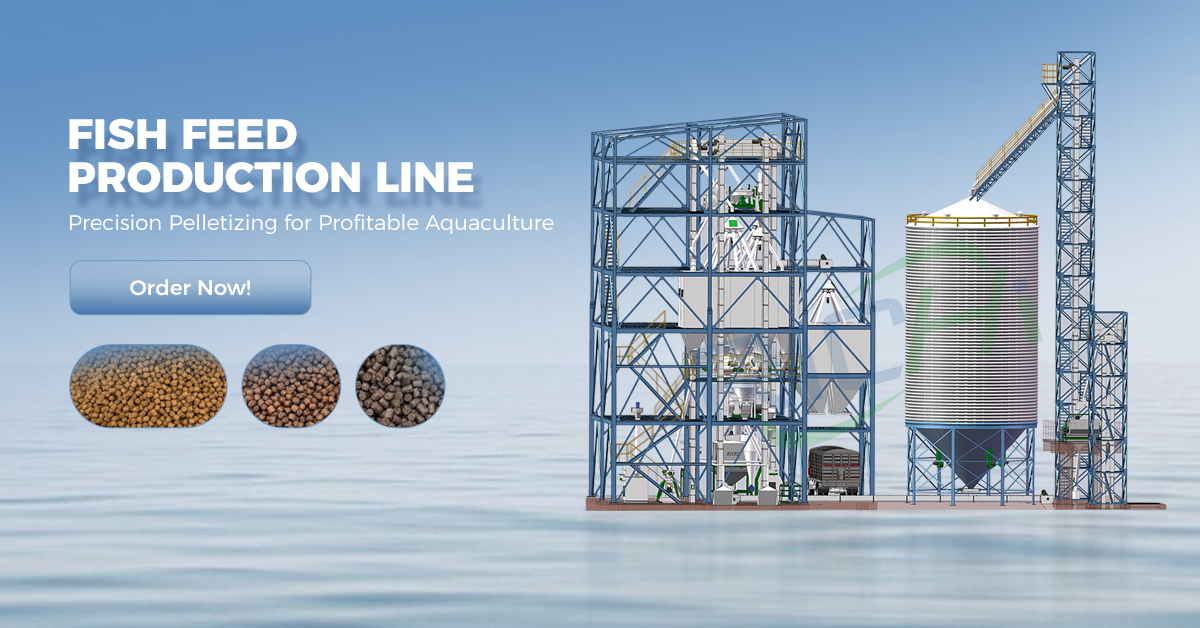




Introduction: The Importance of Energy Efficiency in Aquatic Feed Production
Aquaculture is one of the fastest-growing food industries worldwide, and the demand for high-quality aquatic feed continues to increase. As fish farming becomes more intensive and commercialized, aquatic feed manufacturers are facing growing pressure to improve production efficiency while reducing operating costs.
Energy consumption is one of the major expenses in aquatic feed manufacturing. A complete aquatic feed production process involves multiple stages, including raw material handling, crushing, mixing, extrusion, drying, cooling, and packaging. Each stage requires electricity or thermal energy, and inefficient production systems can significantly increase manufacturing costs.
Modern aquatic feed production focuses on improving energy efficiency through advanced equipment, optimized production processes, automation, and better resource management. Energy-saving technologies not only reduce electricity consumption but also improve production capacity, product quality, and long-term profitability.
For businesses planning to invest in aquatic feed production equipment, understanding energy efficiency is also important when evaluating equipment investment. Factors such as the floating feed extruder machine price, production capacity, energy consumption, and maintenance costs should all be considered together to determine the true value of an equipment solution.
By adopting modern production technologies, aquatic feed manufacturers can reduce energy waste, lower production costs, and build more sustainable operations.
Optimized Production Design Reduces Overall Energy Consumption
One of the most effective ways modern aquatic feed production saves energy is through optimized factory design and production planning.
Traditional feed production facilities may experience unnecessary energy losses due to:
- Poor equipment arrangement
- Excessive material transportation
- Inefficient production scheduling
- Frequent equipment downtime
A modern aquatic feed factory is designed to ensure smooth material flow from raw materials to finished products.
An optimized production layout helps:
- Reduce transportation distance
- Minimize unnecessary equipment operation
- Improve production efficiency
- Lower energy consumption per ton of feed
When every production stage operates efficiently, manufacturers can achieve higher output while using less energy.
Energy-Efficient Raw Material Processing Improves Production Performance
Raw material preparation is the first stage of aquatic feed production and has a significant impact on energy consumption.
The main processes include:
- Cleaning
- Crushing
- Grinding
- Mixing
Modern equipment improves efficiency by reducing unnecessary power consumption.
Efficient Grinding Systems
Grinding is one of the energy-intensive processes in feed manufacturing. Advanced grinding systems optimize:
- Motor efficiency
- Screen design
- Particle size control
A properly designed grinding system reduces the time required to achieve suitable particle sizes.
This helps:
- Lower electricity usage
- Improve extrusion performance
- Reduce equipment wear
Improved Material Handling
Automatic conveying systems also contribute to energy savings by reducing manual transportation and improving workflow efficiency.
Efficient raw material processing creates better conditions for the following production stages.
Advanced Extrusion Technology Improves Energy Utilization
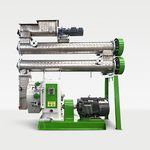
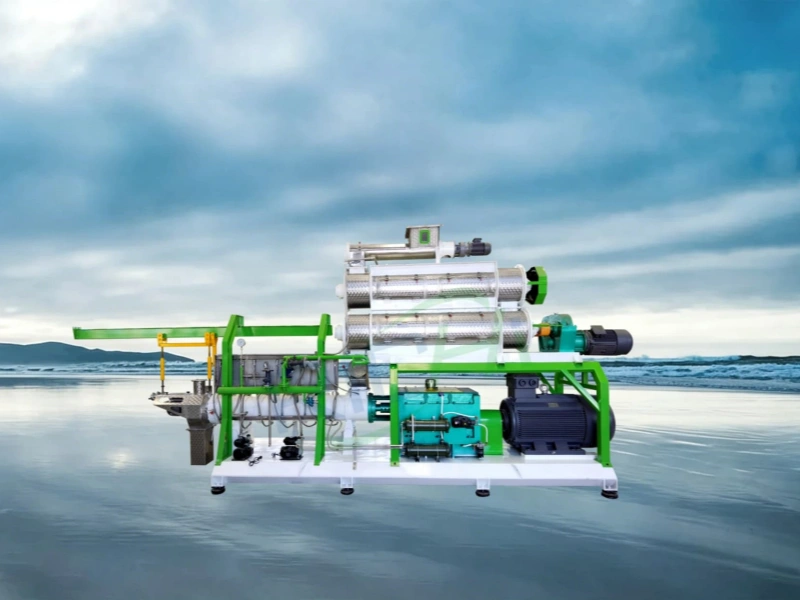
Extrusion is the core process of floating aquatic feed production. It determines pellet quality while also influencing energy efficiency.
During extrusion, feed materials are processed through:
- Temperature control
- Mechanical pressure
- Moisture adjustment
Modern extrusion technology improves energy utilization by optimizing these processing parameters.
A high-efficiency extrusion system can:
- Reduce processing time
- Improve pellet expansion
- Increase production output
- Reduce energy consumption per kilogram of feed
Compared with older production methods, modern extruders provide better control over processing conditions, allowing manufacturers to achieve consistent quality with lower energy waste.
Choosing the Right Floating Feed Extruder Improves Cost Efficiency
The selection of extrusion equipment plays an important role in energy-saving aquatic feed production.
Different feed manufacturers have different requirements based on:
- Production capacity
- Feed types
- Investment budget
- Market demand
When selecting equipment, manufacturers should evaluate more than the initial purchase cost.
The floating feed extruder machine price should be considered together with:
- Energy consumption
- Production capacity
- Maintenance requirements
- Equipment lifespan
- Product quality
A lower-priced machine may not always provide the best long-term value if it consumes more energy or requires frequent maintenance.
An efficient floating feed extruder helps manufacturers:
- Produce more feed with less electricity
- Reduce operating expenses
- Maintain stable production
- Improve profitability
Therefore, energy efficiency should be a key factor in equipment investment decisions.
https://richipelletizer.com/floating-fish-feed-extruder-machine
Automation Reduces Energy Waste in Production
Automation is another important method for improving energy efficiency in aquatic feed manufacturing.
Modern production lines use automated systems to control:
- Raw material dosing
- Production parameters
- Equipment operation
- Packaging processes
Automation helps reduce energy waste by ensuring that equipment operates only when needed.
Intelligent Production Control
Automated systems can adjust operating conditions according to production requirements.
For example:
- Motors can operate at optimized speeds.
- Equipment can avoid unnecessary idle operation.
- Production parameters can remain stable.
Reduced Human Errors
Manual operation may cause:
- Incorrect settings
- Material waste
- Excessive processing time
Automation improves accuracy and reduces unnecessary energy consumption.
Energy Savings Through Efficient Drying Technology
Drying is one of the most energy-consuming stages in aquatic feed production because freshly extruded pellets contain significant moisture.
Modern drying systems improve energy efficiency through:
- Better heat distribution
- Improved airflow design
- Temperature control systems
Efficient dryers help:
- Reduce drying time
- Lower heat loss
- Improve pellet quality
Some advanced systems also recycle heat energy, further reducing overall energy requirements.
Proper drying optimization is essential because excessive drying wastes energy, while insufficient drying affects storage stability.
Improving Cooling Efficiency Lowers Operating Costs
After drying, aquatic feed pellets require cooling before packaging.
Although cooling consumes less energy than extrusion or drying, inefficient systems can still increase operating costs.
Modern cooling systems improve efficiency through:
- Optimized airflow
- Better equipment design
- Automatic temperature monitoring
Efficient cooling helps:
- Stabilize pellet quality
- Reduce moisture problems
- Improve storage performance
A well-integrated cooling system contributes to overall energy-saving production.
Reducing Feed Waste Through Better Pellet Quality
Energy efficiency is not only about reducing electricity consumption. Reducing material waste is also an important part of sustainable production.
Poor-quality feed pellets may result in:
- Increased breakage
- Nutrient loss
- Higher production waste
Modern aquatic feed production improves pellet quality through advanced processing technology.
High-quality floating pellets provide:
- Better water stability
- Improved digestibility
- Reduced feed loss
When farmers use feed more efficiently, the entire aquaculture supply chain benefits from reduced resource consumption.
Energy-Efficient Motors and Equipment Components
The performance of individual machine components directly affects energy consumption.
Modern aquatic feed production equipment often uses:
- High-efficiency motors
- Improved transmission systems
- Durable mechanical components
These components help reduce:
- Electricity consumption
- Mechanical losses
- Maintenance requirements
For example, efficient motors can provide the same production output while consuming less electricity compared with outdated models.
Although energy-efficient components may increase initial investment, they usually provide better long-term economic benefits.
Regular Equipment Maintenance Improves Energy Performance
Proper maintenance is essential for maintaining energy efficiency.
Poorly maintained equipment often consumes more energy because of:
- Increased friction
- Reduced processing efficiency
- Component wear
Regular maintenance includes:
- Checking motors
- Inspecting bearings
- Cleaning equipment
- Replacing worn parts
Well-maintained equipment operates more smoothly and requires less energy to achieve the same production capacity.
Maintenance also extends equipment lifespan and protects the manufacturer’s investment.
Production Scale Influences Energy Efficiency
The scale of an aquatic feed production project affects energy consumption efficiency.
Large factories usually achieve lower energy consumption per ton of feed because:
- Equipment utilization is higher
- Production processes are more automated
- Energy management is easier
However, small and medium producers can also improve efficiency by selecting suitable equipment.
For example, a properly configured floating feed production system allows smaller businesses to avoid unnecessary energy waste caused by oversized equipment.
Choosing the right production capacity is essential for achieving the best energy performance. (Going Here: Richi Machinery)
Sustainable Aquatic Feed Production Benefits the Environment
Energy-saving production methods provide environmental benefits in addition to economic advantages.
Reduced energy consumption helps:
- Lower carbon emissions
- Reduce resource consumption
- Support sustainable aquaculture development
As environmental regulations become stricter and customers become more sustainability-focused, energy-efficient production will become increasingly important.
Modern aquatic feed manufacturers are expected to balance:
- Production efficiency
- Product quality
- Environmental responsibility
Energy-saving technologies help companies achieve these goals.
The Relationship Between Equipment Investment and Energy Savings
When investing in aquatic feed production equipment, manufacturers should evaluate long-term returns rather than only focusing on initial purchase costs.
The total investment includes:
- Equipment purchase cost
- Installation expenses
- Energy costs
- Maintenance costs
- Production efficiency
Although the floating feed extruder machine price is an important consideration, energy consumption can significantly influence operating costs over many years.
An energy-efficient machine may have:
- Higher initial investment
- Lower electricity expenses
- Better production stability
- Longer service life
Therefore, businesses should evaluate equipment value based on overall performance rather than purchase price alone.
Future Trends in Energy-Saving Aquatic Feed Production
The future of aquatic feed manufacturing will focus increasingly on intelligent and sustainable technologies.
Important trends include:
Smart Energy Management
Digital systems will monitor and optimize energy usage throughout production.
Advanced Extrusion Technology
Improved extruders will provide higher efficiency and better control.
Renewable Energy Integration
Some factories may combine production systems with renewable energy sources.
More Efficient Production Lines
Future factories will focus on reducing energy consumption per ton of feed.
These developments will help aquatic feed manufacturers achieve greater efficiency and competitiveness.
Conclusion: Modern Technology Creates More Efficient Aquatic Feed Production
Modern aquatic feed production saves energy through optimized factory design, advanced equipment, automation, efficient processing technology, and improved management practices.
Every stage of production, from raw material preparation to extrusion, drying, and packaging, provides opportunities for reducing energy consumption.
Selecting suitable equipment is a critical step in achieving energy efficiency. While factors such as the floating feed extruder machine price are important, manufacturers should also consider long-term energy costs, production efficiency, and equipment reliability.
By investing in modern energy-saving solutions, aquatic feed producers can reduce operating expenses, improve profitability, and contribute to more sustainable aquaculture development. Efficient production is not only a business advantage but also an important step toward building a greener future for the global aquaculture industry.