




The aquaculture industry has undergone significant transformation over the past two decades, driven by increasing global demand for seafood, limited natural fish resources, and the need for more sustainable farming practices. At the center of this transformation is feed technology—particularly extrusion systems that produce high-quality floating pellets with improved digestibility and stability.
Among all innovations, the floating fish feed extruder machine has become the most critical equipment in modern aquafeed manufacturing, enabling producers to achieve higher efficiency, better feed utilization, and more controlled production outcomes.
This article explores how extrusion technology is reshaping aquafeed production, what industrial systems are involved, and how manufacturers can optimize long-term performance.
1. The Shift from Traditional Pelleting to Extrusion-Based Feed Production
Historically, fish feed production relied heavily on simple mechanical pellet mills. These systems produced dense pellets that often sank quickly in water, resulting in feed waste and poor visibility for farmers monitoring feeding behavior.
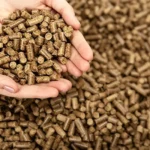
With the introduction of extrusion technology, the industry experienced a fundamental shift. Unlike traditional pelleting, extrusion uses high temperature, pressure, and shear force to cook and expand feed materials. This process creates porous pellets capable of floating for extended periods.
As a result, modern aquaculture facilities increasingly rely on systems like the floating fish feed extruder machine to ensure feed stability and improve feeding efficiency.
2. Working Principle of Floating Fish Feed Extruder Machines
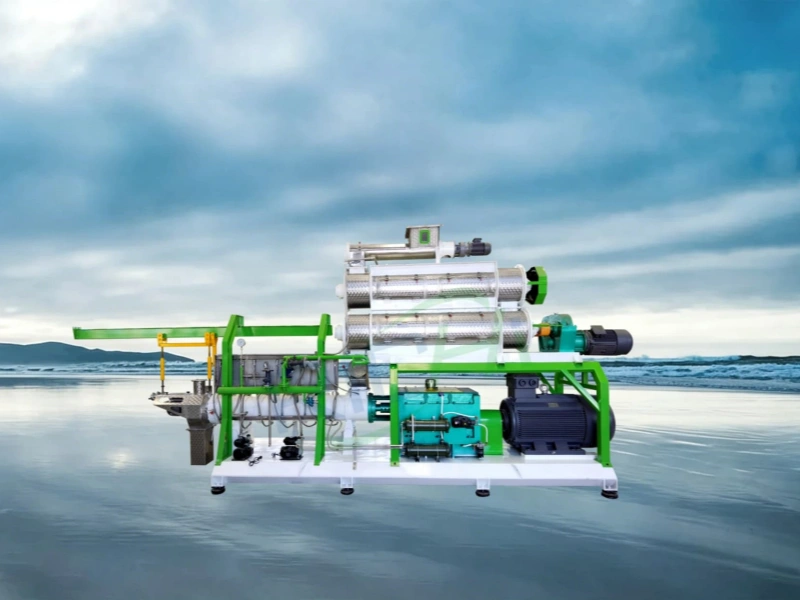
A floating fish feed extruder machine operates by forcing conditioned feed materials through a specially designed die. Inside the extrusion chamber, raw materials undergo:
- High-pressure compression
- Thermal gelatinization
- Moisture expansion
- Structural reshaping
When the material exits the die, rapid pressure release causes expansion, forming lightweight, porous pellets that float on water.
This process significantly improves:
- Feed buoyancy
- Nutrient digestibility
- Pellet uniformity
- Water stability
The extrusion mechanism is especially beneficial for high-value aquaculture species that require precise nutrition control.
3. Industrial Production Lines and Capacity Planning
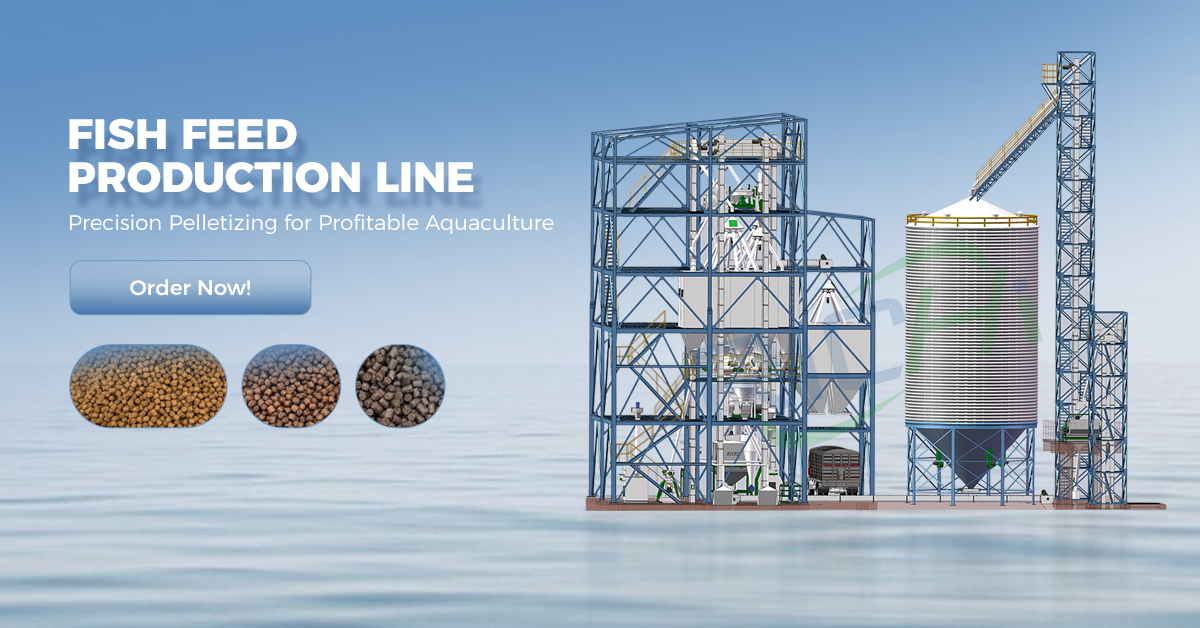
Modern aquafeed factories are not built around a single machine but rather integrated production systems. These systems may include grinding, mixing, extrusion, drying, oil coating, and cooling units.
In large-scale production scenarios, manufacturers often evaluate sinking feed equipment such as the industrial sinking fish feed pellet extruder for sale when planning dual-purpose production lines that serve multiple species requirements.
Such hybrid production strategies allow manufacturers to:
- Serve both floating and bottom-feeding fish markets
- Increase product portfolio flexibility
- Improve factory utilization rate
- Reduce equipment redundancy
Capacity planning is typically determined by:
- Market demand
- Raw material availability
- Factory automation level
- Target species types
4. Importance of Choosing the Right Manufacturer
Equipment selection is one of the most critical decisions in aquafeed production. A poorly designed system can lead to unstable pellet quality, high energy consumption, and frequent maintenance issues.
Leading suppliers such as Richi Machinery provide integrated solutions that go beyond single machine supply. Their systems are designed to optimize:
- Production efficiency
- Energy consumption
- Pellet consistency
- Automation control
Similarly, Richi Pellet Mill is widely recognized in the industry for delivering customized feed production lines tailored to different aquaculture applications.
Working with experienced manufacturers ensures:
- Stable long-term operation
- Reduced downtime
- Better technical support
- Higher return on investment
5. Key Advantages of Modern Fish Feed Extrusion Systems
Modern extrusion systems offer several advantages over traditional methods:
5.1 Enhanced Nutritional Performance
Extrusion improves starch gelatinization, making nutrients more digestible for fish.
5.2 Better Feed Conversion Ratio (FCR)
Fish can absorb nutrients more efficiently, reducing feed waste and lowering farming costs.
5.3 Adjustable Pellet Characteristics
Operators can control:
- Pellet diameter
- Floating time
- Density
- Hardness
5.4 Improved Water Stability
Extruded feed maintains structural integrity longer, reducing water pollution.
6. Floating vs Sinking Feed Production Strategies
In aquaculture, both floating and sinking feeds are essential depending on species behavior and feeding habits.
Floating feed is commonly used for:
- Tilapia
- Carp
- Ornamental fish
Sinking feed is preferred for:
- Shrimp
- Catfish
- Bottom-feeding species
Advanced production systems allow switching between both types. For example, machines like 5-6 T/H sinking fish feed machine for sale are often integrated into flexible production setups that support multi-species manufacturing.
7. Global Application of Extruded Fish Feed
Extruded feed has become a global standard in aquaculture industries across Asia, Europe, and Latin America.
Key application areas include:
- Intensive fish farming systems
- Commercial aquaculture farms
- Hatchery feed production
- Industrial shrimp farming
- Ornamental fish cultivation
Floating feed is especially valuable in monitored aquaculture environments where feeding behavior needs to be observed and controlled.
8. Optimization Strategies for Higher Production Efficiency
To maximize efficiency in extrusion-based feed production, manufacturers should focus on:
Raw Material Preparation
Proper grinding and moisture control ensure uniform processing.
Conditioning System Optimization
Steam conditioning improves gelatinization and reduces energy load on the extruder.
Screw Configuration Adjustment
Different screw designs impact pressure, shear force, and final pellet quality.
Maintenance Scheduling
Regular inspection of wear parts ensures stable long-term operation.
9. Industry Trends in Fish Feed Manufacturing
The aquafeed industry is moving toward:
- Fully automated production lines
- Energy-efficient extrusion systems
- Precision nutrition formulations
- Smart factory integration
- Sustainable aquaculture solutions
These trends are reshaping global production strategies and increasing competition among manufacturers.
10. Industry Insights and Technical Resources
For deeper technical understanding, many manufacturers and engineers explore external references such as top article resources that analyze extrusion system design and production optimization strategies in detail.
Conclusion
The floating fish feed extruder machine plays a central role in modern aquaculture feed production. As the industry continues to grow, extrusion technology will remain the foundation for improving feed efficiency, reducing waste, and supporting sustainable fish farming systems worldwide.
Choosing the right equipment, optimizing production processes, and working with experienced manufacturers are essential steps toward building a competitive aquafeed business in today’s global market.
(Related Post: https://www.richipelletmill.com/floating-fish-feed-extruder-machine/ )