



The transition toward renewable energy has created new opportunities for biomass processing companies. As industries search for cleaner fuel alternatives, biomass pellets have become increasingly important in heating, power generation, and industrial energy applications.
For businesses with access to agricultural waste, forestry residues, and other biomass resources, pellet production offers a practical way to transform low-value materials into profitable products. However, establishing a successful pellet business requires more than simply purchasing a machine. Investors need to consider raw material preparation, production capacity, equipment efficiency, maintenance requirements, and future market development.
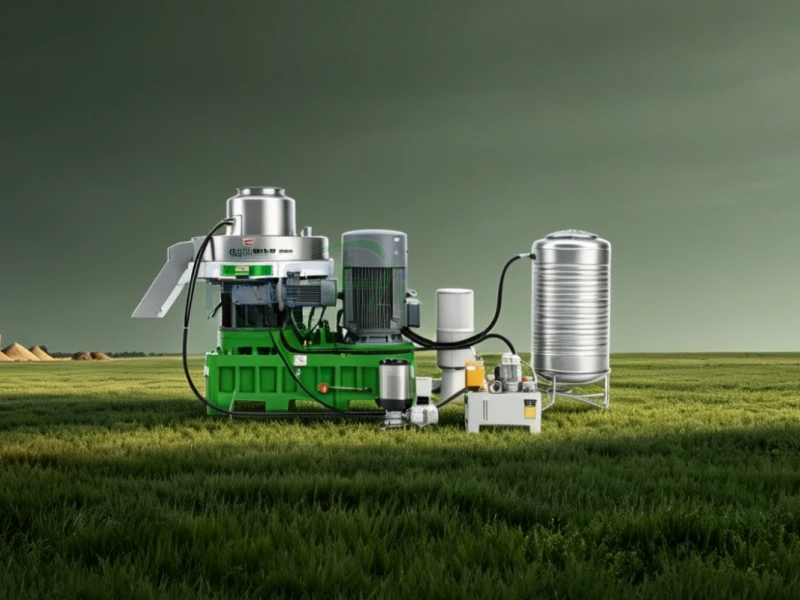
A well-designed production system can significantly improve profitability by reducing operating costs and ensuring consistent pellet quality. Among modern pelletizing technologies, the vertical biomass pellet mill has become an important choice for many commercial biomass projects because of its strong adaptability and reliable performance.
Biomass Pellet Production: Turning Waste Into Valuable Resources
Every year, millions of tons of agricultural and forestry residues are generated worldwide. Materials such as straw, rice husk, corn stalks, sawdust, and wood chips contain valuable energy components but are often wasted due to limited utilization methods.
Biomass pellet production provides an effective solution by converting these loose materials into compact, high-density fuel products.
Compared with untreated biomass, pellets offer several advantages:
- Higher energy density;
- Easier transportation;
- Lower storage requirements;
- More stable combustion performance.
This makes biomass pellets attractive for both small heating applications and large industrial energy systems.
In many regions, governments and businesses are encouraging biomass utilization projects because they support waste reduction, rural economic development, and renewable energy goals.
The Importance of Choosing the Right Pellet Mill
The pellet mill is the heart of any biomass pellet production facility. Although different machines may appear similar, their internal structure, compression performance, and operating stability can greatly affect the final results.
A reliable pellet mill should help manufacturers achieve:
- Continuous production;
- Uniform pellet size;
- Strong pellet durability;
- Reduced energy consumption;
- Lower maintenance costs.
For industrial users, production interruptions can lead to significant financial losses. Therefore, equipment reliability is often more important than the initial purchase price.
Modern vertical pellet technology has been developed to address many challenges faced by traditional pellet production systems.
Why Vertical Pellet Mills Are Suitable for Commercial Production
Stable Material Feeding
One of the biggest advantages of vertical pellet equipment is its feeding method. Raw materials enter the compression chamber vertically, allowing gravity to assist the feeding process.
This design helps improve material distribution and reduces the risk of uneven feeding, especially when processing lightweight materials such as straw and grass.
Stable feeding contributes to:
- Consistent pellet quality;
- Lower machine vibration;
- Improved production efficiency.
Efficient Compression Process
Pellet formation requires sufficient pressure to bond biomass particles together. The vertical ring die structure provides a balanced compression environment, helping produce dense and durable pellets.
High-quality pellets are easier to transport and have better combustion performance, which is especially important for commercial customers.
Adaptability to Different Biomass Materials
Biomass resources vary significantly from region to region. A machine that works well with wood may not always perform efficiently with agricultural residues.
Modern vertical pellet equipment can process various materials, including:
- Wheat straw;
- Corn stalks;
- Rice husk;
- Grass;
- Sawdust;
- Bamboo residues.
This flexibility allows businesses to adjust production according to local resource availability.
Planning a Commercial Straw Pellet Project
Straw is one of the most widely available biomass materials worldwide. However, successful straw pellet production requires a carefully designed production process.
A commercial system usually includes:
Raw Material Collection and Storage
Because straw availability is often seasonal, proper storage facilities are necessary to ensure year-round production.
Crushing and Size Reduction
Large straw pieces need to be crushed into suitable particle sizes before pelletizing. Proper preparation improves compression efficiency.
Moisture Adjustment
The moisture content of biomass directly affects pellet quality. Professional production systems often include moisture control equipment to maintain stable conditions.
Pellet Formation
During this stage, processed biomass is compressed into cylindrical pellets.

For businesses requiring medium-scale commercial production, a 0.5-10 T/H straw pellet production line for sale can be customized according to different capacity requirements and investment plans.
Cooling and Packaging
Fresh pellets are hot and relatively soft after compression. Cooling and screening improve product stability before storage or transportation.
Factors That Influence Biomass Pellet Production Costs
Many investors focus mainly on equipment investment, but long-term operating costs determine actual profitability.
Important cost factors include:
Raw Material Costs
The availability and transportation distance of biomass materials directly affect production expenses.
Using locally available agricultural residues can significantly reduce raw material costs.
Electricity Consumption
Energy-efficient equipment helps lower production expenses over time. A machine with slightly higher initial investment may provide better returns through reduced operating costs.
Labor Requirements
Automated systems can reduce manual operation and improve production consistency.
Maintenance Expenses
Equipment with durable components and convenient maintenance design can reduce downtime and replacement costs.
Improving Production Efficiency Through Complete Solutions
A successful pellet project requires coordination between different production stages. Problems in crushing, drying, or material handling can affect the entire operation.
Therefore, many investors prefer working with suppliers that provide integrated engineering services.
A complete system considers:
- Raw material characteristics;
- Factory layout;
- Production targets;
- Equipment matching;
- Future expansion plans.
Companies planning large projects often choose a pellet plant solution instead of purchasing individual machines because integrated systems provide better compatibility and easier management.
Digital Technology and Future Pellet Manufacturing
The biomass industry is moving toward smarter and more automated production.
Intelligent Monitoring Systems
Modern pellet plants increasingly use sensors and control systems to monitor:
- Temperature;
- Production speed;
- Equipment conditions;
- Energy consumption.
This allows operators to identify problems quickly and maintain stable production.
Improved Energy Efficiency
Manufacturers continue developing machines that consume less electricity while maintaining high output.
Energy efficiency is becoming a key factor as customers seek lower operating costs.
Customized Production Models
Future biomass businesses will focus more on specialized products. Different markets may require different pellet sizes, densities, and characteristics.
Flexible production systems will help companies respond to changing customer demands.
Selecting a Reliable Equipment Manufacturer
The supplier selected for a biomass project can have a significant impact on long-term success.
A professional manufacturer should provide:
- Technical consultation;
- Customized design;
- Equipment installation;
- Operator training;
- After-sales support.
Experienced manufacturers understand that every project has unique requirements. Factors such as climate, raw materials, factory conditions, and market goals must all be considered.
Companies searching for reliable equipment partners can find out here now to learn more about professional biomass pellet solutions and industry practices.
A company with strong manufacturing experience, such as Richi Pellet Mill, can provide customized pellet production systems designed for different biomass applications.
Common Mistakes New Investors Should Avoid
Many first-time investors encounter problems because they overlook important details.
Buying Equipment Without Considering Raw Materials
Not every pellet machine is suitable for every biomass material. Material testing and technical evaluation are important before purchasing.
Ignoring Future Expansion
A production line should meet current needs while allowing future upgrades.
Focusing Only on Equipment Price
The cheapest machine may create higher costs later due to frequent maintenance, unstable production, or poor pellet quality.
Lack of Technical Support
Professional guidance during installation and operation can greatly reduce project risks.
(Related Post: https://www.richipelletmill.com/wood-pellet-plant-for-sale/)
Conclusion
Building a successful biomass pellet production business requires careful planning, reliable equipment, and efficient production management.
Vertical pellet technology provides strong advantages for modern biomass projects by improving feeding stability, compression efficiency, and operational reliability.
With increasing demand for renewable energy, businesses that effectively utilize agricultural and forestry waste have significant growth opportunities.
By selecting suitable equipment, designing an efficient production system, and cooperating with experienced manufacturers, investors can create sustainable biomass pellet businesses with long-term value.


