

Across the world, millions of tons of agricultural residues are generated every year. For decades, much of this material had little commercial value. Farmers often burned it, discarded it, or left it to decompose naturally.
Today, the situation is very different.
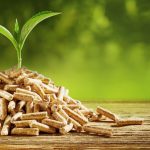
Growing demand for renewable energy has transformed agricultural by-products into valuable industrial resources. Materials such as sunflower shells, rice husks, corn stalks, wheat straw, wood residues, and forestry waste can now be processed into biomass pellets that serve as an alternative fuel for industrial boilers, power plants, commercial heating systems, and manufacturing facilities.
As fossil fuel prices fluctuate and environmental regulations become stricter, more investors are exploring biomass pellet production as a long-term business opportunity.
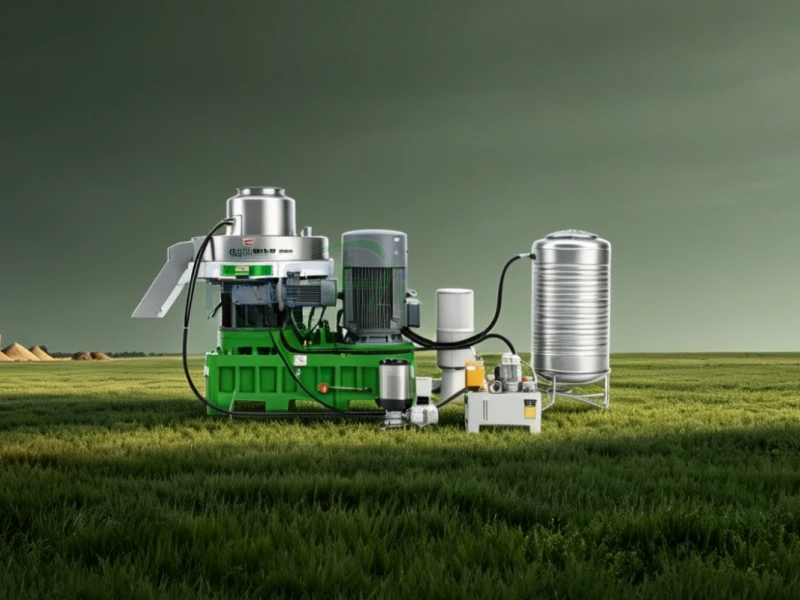
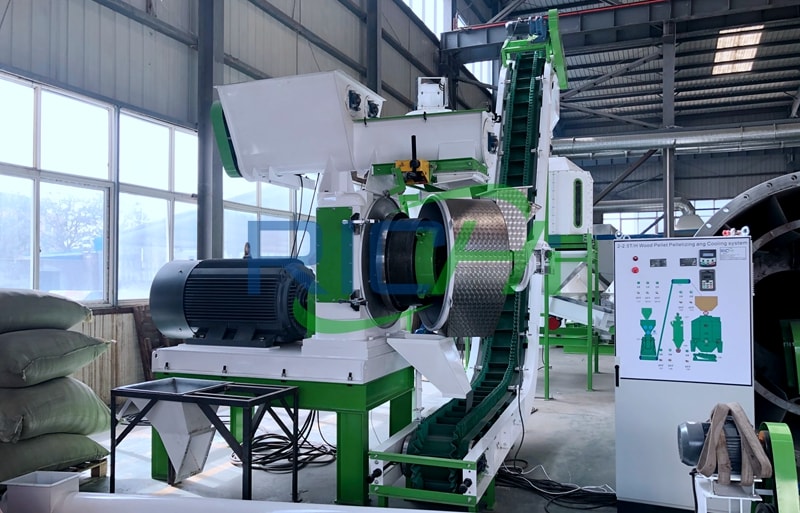
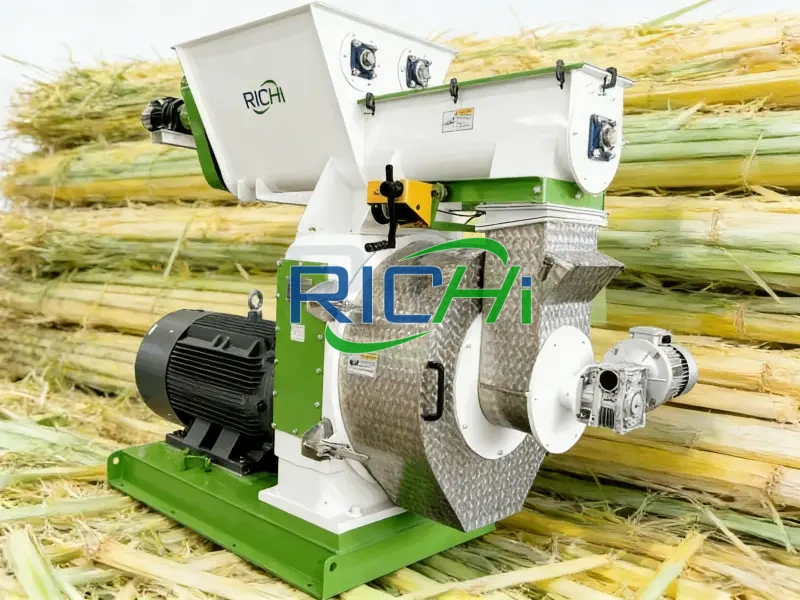
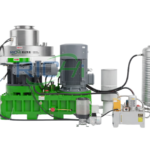
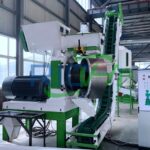
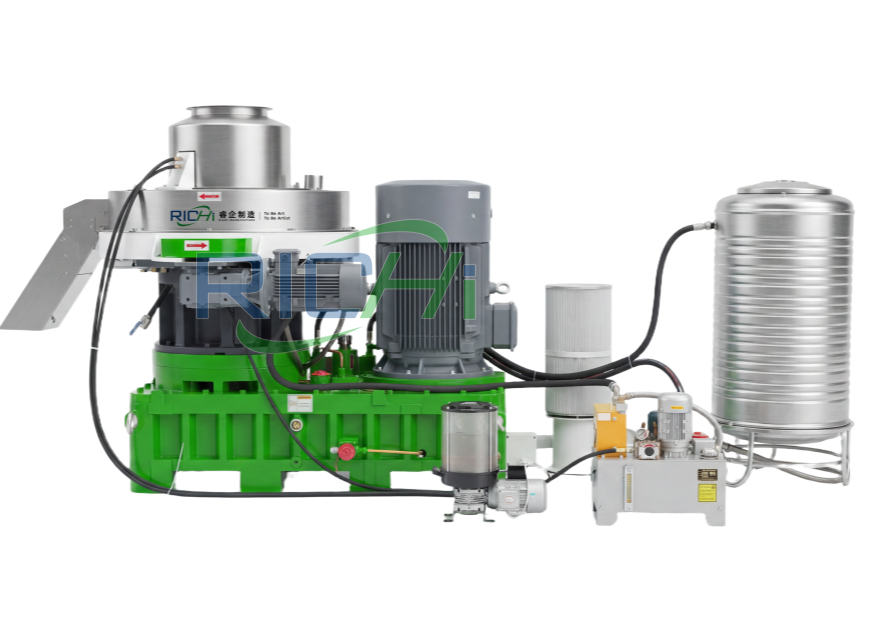
At the center of many successful projects is the Vertical Biomass Pellet Mill, a technology designed to convert low-density biomass materials into dense, durable, and marketable fuel products.
Why the Biomass Industry Continues to Attract Investment
Several powerful trends are driving growth in biomass pellet production.
Rising Energy Demand
Industrial facilities require reliable fuel sources to maintain continuous operations.
Carbon Reduction Targets
Governments increasingly encourage renewable energy adoption.
Waste Utilization Programs
Agricultural residues are being recognized as valuable resources rather than waste.
Rural Economic Development
Biomass projects create employment opportunities and additional income streams.
Energy Security Concerns
Many countries seek alternatives to imported fossil fuels.
These factors create a favorable environment for biomass pellet manufacturing businesses.
Understanding the Economics of Pellet Production
A biomass pellet facility essentially converts low-cost raw materials into higher-value products.
The basic business model includes:
Raw Material Acquisition
Obtaining agricultural or forestry residues.
Material Preparation
Grinding and moisture adjustment.
Pellet Production
Compressing biomass into dense fuel pellets.
Storage and Packaging
Preparing products for sale or export.
Distribution
Supplying industrial and commercial customers.
Profitability depends on balancing production costs with pellet market prices.
Efficient equipment plays a critical role in achieving this balance.
Sunflower Shells: A Strong Example of Value Creation
Sunflower processing facilities generate large quantities of shells.
Historically, these shells were often treated as waste.
Today, they represent an increasingly valuable biomass resource.
Advantages include:
- Consistent availability
- Favorable energy value
- Low acquisition costs
- Renewable origin
- Strong market demand
For smaller investors, a 1 ton per hour sunflower shell pellet machine can provide an accessible entry point into pellet production.
Such systems allow operators to gain experience while limiting initial investment requirements.
The Importance of Selecting the Right Production Technology
Not all pellet equipment performs equally.
Technology selection influences:
- Production efficiency
- Pellet quality
- Energy consumption
- Maintenance costs
- Equipment lifespan
Modern vertical pellet systems have become increasingly popular due to their ability to process diverse biomass materials efficiently.
The vertical structure helps improve material flow and compression stability, contributing to more consistent pellet production.
When evaluating equipment, investors should focus on long-term operating performance rather than purchase price alone.
Building a Scalable Business Model
One advantage of biomass pellet production is scalability.
Many successful operations begin with modest capacity and gradually expand.
A typical growth path may include:
Stage 1 – Local Sales
Supplying nearby farms, factories, and commercial users.
Stage 2 – Regional Expansion
Serving larger industrial customers.
Stage 3 – Contract Production
Establishing long-term supply agreements.
Stage 4 – Export Markets
Selling pellets internationally.
A scalable approach reduces risk while preserving future growth opportunities.
What Determines Pellet Market Value?
Customers evaluate pellets based on several characteristics.
Density
Dense pellets generally provide better handling and combustion performance.
Moisture Content
Low moisture improves energy efficiency.
Durability
Strong pellets generate less dust during transportation.
Uniform Size
Consistent dimensions improve feeding performance in combustion systems.
Ash Content
Lower ash levels are often preferred by industrial users.
Achieving these qualities requires effective process control throughout the production line.
Why Operational Efficiency Matters
Even small efficiency improvements can significantly affect profitability.
Benefits include:
Lower Energy Costs
Efficient equipment reduces electricity consumption.
Reduced Downtime
Reliable machinery increases production availability.
Higher Output
Improved productivity increases revenue potential.
Lower Maintenance Expenses
Durable components reduce replacement costs.
Over time, operational efficiency can have a greater impact on profitability than initial equipment cost.
Diversification Creates Additional Revenue Opportunities
Many pellet manufacturers focus initially on fuel pellets.
However, modern biomass equipment can often support additional product categories.
Examples include:
Animal Bedding Pellets
Used in livestock and equestrian applications.
Cat Litter Pellets
An increasingly popular environmentally friendly product.
Organic Fertilizer Pellets
Supporting agricultural applications.
Biomass Fuel Pellets
The largest market segment in many regions.
This diversification can improve business resilience and profitability.
The Value of Industry Experience
Launching a pellet production project involves numerous technical decisions.
Experienced suppliers can assist with:
- Raw material analysis
- Capacity planning
- Equipment selection
- Facility layout
- Operator training
- Technical support
Many investors choose to work with established manufacturers that understand the practical challenges of biomass processing.
When researching project options, industry professionals frequently review resources from Richi manufacture to better understand available technologies and production solutions.
Likewise, technical articles available through blog here platforms often provide valuable insights into operating practices and market developments.
Common Challenges New Producers Face
Every industry presents challenges.
Biomass pellet production is no exception.
Feedstock Supply Variability
Raw material quality may fluctuate seasonally.
Moisture Management
Improper moisture levels affect pellet quality.
Equipment Maintenance
Routine maintenance remains essential.
Market Development
Customer acquisition requires ongoing effort.
Logistics Planning
Transportation costs influence competitiveness.
Recognizing these challenges early improves project planning and long-term success.
Sustainability and Future Growth
The future outlook for biomass pellet production remains positive.
Several factors support continued expansion:
- Increasing renewable energy adoption
- Strong sustainability initiatives
- Improved processing technologies
- Growing industrial demand
- Expanding export opportunities
As more industries transition toward lower-carbon energy solutions, biomass pellets are expected to play an increasingly important role.
Manufacturers capable of producing high-quality pellets efficiently will likely benefit from these long-term trends.
A Realistic Example of Business Development
Consider a region with abundant sunflower processing activity.
Large quantities of shells are available throughout the year.
An entrepreneur installs a Vertical Biomass Pellet Mill and begins supplying local industrial boilers.
As demand increases, additional equipment is added to expand production capacity.
Over time, the business develops contracts with regional energy users and eventually enters export markets.
The raw material remains largely the same, but improved processing efficiency and market access significantly increase revenue potential.
This example illustrates why biomass pellet production continues attracting investment across many countries.
Conclusion
Agricultural residues are no longer simply waste materials.
They have become valuable resources capable of supporting profitable and sustainable industrial businesses.
Through effective feedstock management, efficient operations, and reliable production technology, biomass manufacturers can transform low-cost residues into high-demand energy products.
The Vertical Biomass Pellet Mill provides an effective foundation for this process, helping producers achieve consistent pellet quality while supporting future business growth.
As renewable energy markets continue expanding, biomass pellet production is likely to remain one of the most promising opportunities within the broader bioenergy sector.
Related Post:https://pelletizerequipment.com/vertical-ring-die-pellet-machine/