

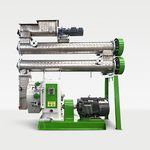

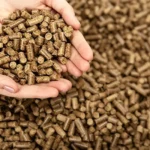



The global shift toward renewable energy has positioned the wood pellet machine as essential equipment for converting forestry waste into clean fuel pellets. Modern production facilities rely on these machines to process materials like sawdust, wood chips, and agricultural residues into high-density pellets for heating, power generation, and industrial applications. The sawdust pellet extruder machine stands at the heart of this process, transforming low-value wood residues into premium biomass fuel through high-pressure compression technology.
Understanding Wood Pellet Machine Technology
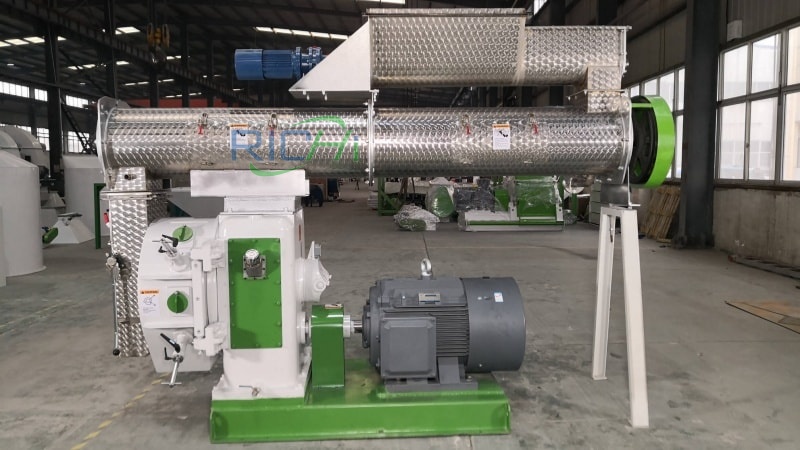
A wood pellet machine is a specialized device that compresses prepared biomass materials into uniform, dense pellets using high-pressure extrusion. The sawdust pellet extruder machine forces prepared material through a rotating die under extreme pressure, with natural lignin in wood acting as a binder without chemical additives. During operation, raw materials are first crushed and dried to optimal moisture content of 12-18%, then fed into the machine where compression and friction raise the temperature to soften the wood before extrusion.
The ring die design is standard for industrial applications due to higher throughput and consistent pellet quality. Available models offer capacities from 0.2 to 4.0 tons per hour, with ring die inner diameters from 320 to 768 millimeters. These machines produce finished pellets with diameters of 4–12 millimeters, suitable for various applications including heating fuel, animal bedding, and even cat litter. Key features include high-strength alloy steel ring dies with vacuum quenching heat treatment, achieving extended service life.
Sawdust Pellet Extruder Machine Specifications
When selecting a sawdust pellet extruder machine, capacity and configuration are key considerations. The MZLH series from Richi machinery manufacture offers multiple models to suit different production needs:
MZLH320: 0.2-0.3 T/H with 22 kW motor
MZLH350: 0.3-0.5 T/H with 37 kW motor
MZLH420: 1.0-1.2 T/H with 90 kW motor
MZLH520: 1.5-2.0 T/H with 132 kW motor
MZLH678: 2.5-3.0 T/H with 185 kW moto
MZLH768: 3.0-4.0 T/H with 250 kW motor
Finished pellet diameters are adjustable from 4 to 12 millimeters to suit various applications. All models feature imported SKF bearings and high-quality motors for reliable, long-term operation, with a gear transmission system that offers approximately 15% higher output than belt-driven designs.
Complete Production Line Integration
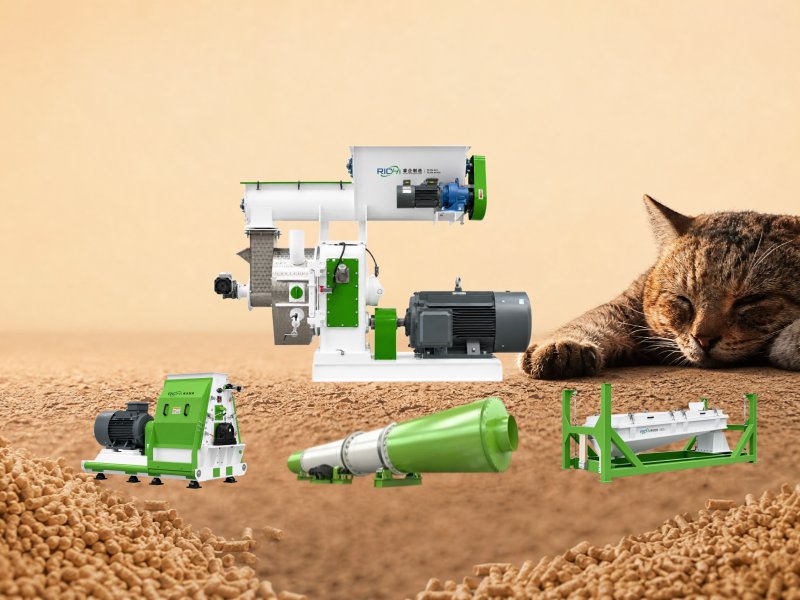
A comprehensive biomass production solution integrates multiple stages beyond the pellet machine. The complete production line includes wood chippers for initial size reduction, hammer mills to achieve 3-5mm particle size, drying systems to reduce moisture to 12-18%, the pellet machine, cooling systems to stabilize pellets, and screening systems to remove fines.
The typical process flow follows a structured sequence: logs are first chipped into 3-5cm pieces, then crushed further to 2-3mm particles. Drying is critical—excess moisture causes die clogging while insufficient moisture leads to weak pellets. The dried material is fed into the sawdust pellet extruder machine where it is compressed into uniform pellets, then cooled to ambient temperature to harden and strengthen them prior to bagging.
Richi machinery manufacture has built thousands of biomass pellet projects across more than 140 countries, covering diverse raw material types and production scales. Recent installations include a 4 T/H sawdust pellet production line for Peru converting sawmill residues into high-density biomass pellets achieving calorific value exceeding 4,200 kcal/kg, and a 10+ T/H wood pellet line in Germany processing virgin wood sawdust into premium ENplus A1 grade pellets.
Feed Pellet Machine Versatility
The feed pellet machine shares similar technology with biomass pellet equipment, offering versatility across different applications. The same ring die extrusion principles can produce animal feed pellets from grains, oil cakes, and agricultural byproducts, as well as biomass fuel pellets from wood waste. This technology allows manufacturers to diversify their product offerings while maintaining consistent quality and operational efficiency.
Quality Considerations and Best Practices
Achieving consistent pellet quality requires careful attention to several parameters:
Moisture Control: Raw material moisture content must be maintained at 12-18% for optimal pellet formation
Particle Size: Material must be reduced to 5mm or less before pelletizing
Cooling: Freshly formed pellets require cooling to ambient temperature to harden and prevent condensation during storage
Summary
Investing in a wood pellet machine and sawdust pellet extruder machine offers a strategic opportunity to convert forestry waste into renewable energy and valuable products. The combination of advanced ring die technology with integrated processing systems from Richi machinery manufacture delivers consistent quality and operational efficiency. For detailed specifications and equipment options, you can go to website for comprehensive manufacturing solutions tailored to your specific capacity requirements and raw material sources.
view detail:https://www.richimanufacture.com/wood-granulator-machine/