



Introduction
Aquaculture has become one of the fastest-growing food production industries in the world. With increasing demand for fish, shrimp, and other aquatic products, farmers are constantly searching for ways to improve production efficiency and reduce operating costs. Among all production factors in aquaculture, feed is usually the largest expense, often accounting for a significant proportion of total farming costs. Therefore, improving feed efficiency and reducing feed-related expenses are essential for achieving profitable and sustainable aquaculture.
Modern aquatic feed production provides effective solutions for reducing farming costs by improving nutritional efficiency, minimizing feed waste, enhancing fish growth performance, and optimizing resource utilization. High-quality aquatic feed allows farmers to produce more fish with less feed, lower labor requirements, and improved management efficiency.
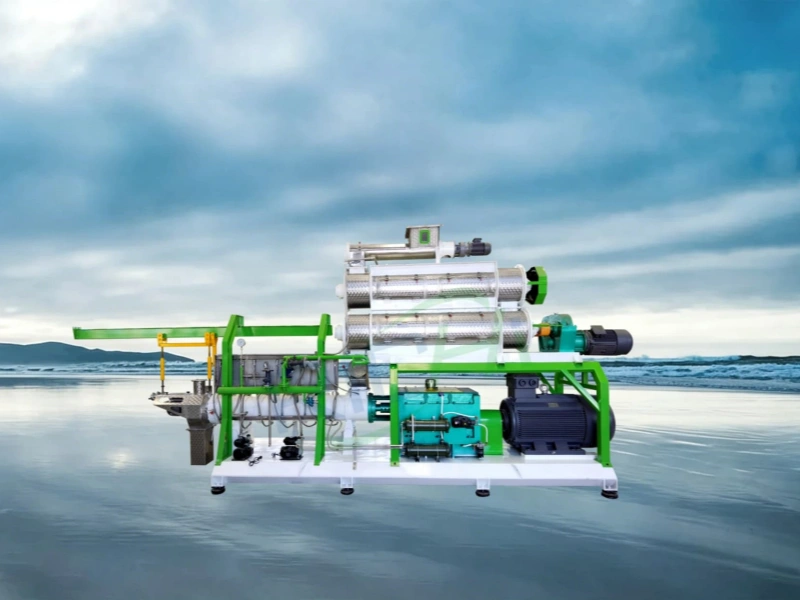
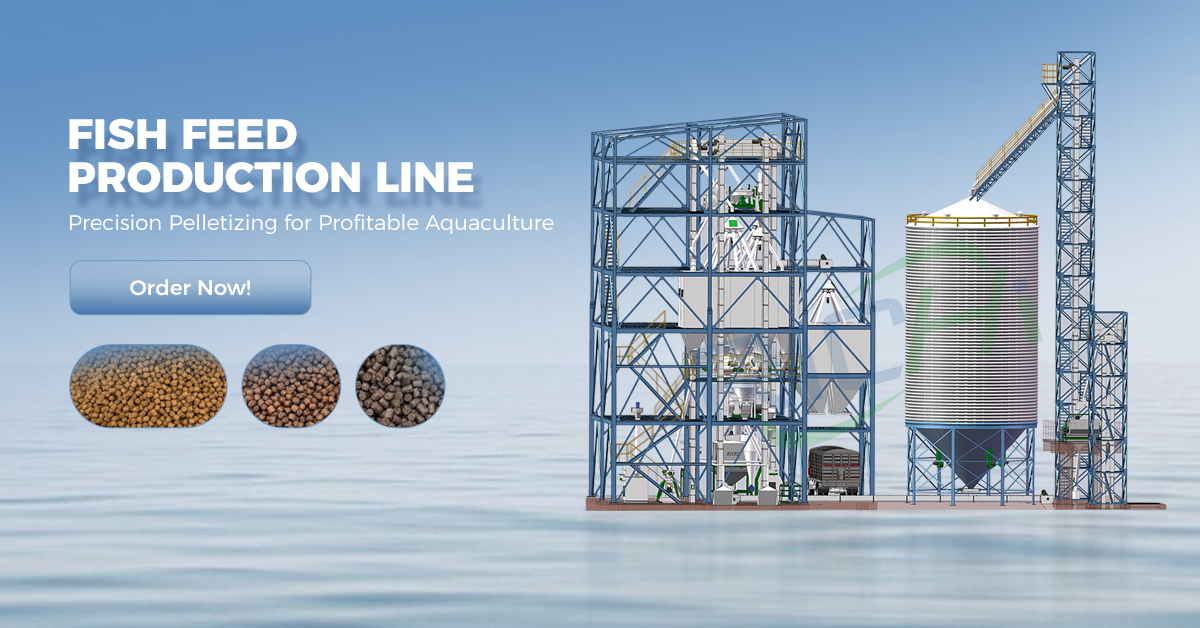
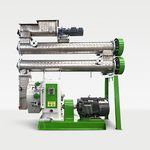
A professional extruding fish feed plant plays an important role in this process by using advanced extrusion technology to manufacture floating and sinking aquatic feed with excellent digestibility, water stability, and nutritional performance. Through precise formulation and efficient processing, modern aquatic feed production helps farmers reduce unnecessary expenses and achieve better economic returns.
This article explains how aquatic feed production reduces farming costs and why investing in advanced feed manufacturing technology is becoming increasingly important for modern aquaculture.
1. Feed Cost Is the Largest Expense in Aquaculture
In most intensive aquaculture systems, feed represents the largest operating cost. Fish farmers spend substantial amounts of money on feed because aquatic animals require continuous nutrition throughout their growth cycle.
Feed costs are influenced by:
- Raw material prices
- Feed conversion efficiency
- Feed waste
- Fish growth rate
- Feeding management
Poor-quality feed can increase production expenses because fish may need more feed to reach market size. Additionally, uneaten feed can pollute water, increase management costs, and negatively affect fish health.
Therefore, producing and using high-quality aquatic feed is one of the most effective ways to reduce overall farming costs.
2. Improving Feed Conversion Ratio Reduces Feed Expenses
Feed conversion ratio (FCR) is one of the most important indicators of aquaculture profitability. It represents the amount of feed required to produce a certain amount of fish weight.
A lower FCR means:
- Less feed is needed
- Production costs are reduced
- Resources are used more efficiently
Modern aquatic feed production improves FCR through:
Balanced Nutrition
Scientific feed formulas provide the correct balance of:
- Protein
- Fat
- Carbohydrates
- Vitamins
- Minerals
Balanced nutrition helps fish absorb nutrients more effectively and grow faster.
Better Digestibility
Advanced processing technologies improve the digestibility of feed ingredients, allowing fish to obtain more nutrients from each pellet.
Precise Formulation
Computer-controlled formulation systems ensure accurate ingredient ratios, preventing nutrient imbalance.
By improving feed conversion efficiency, high-quality aquatic feed directly reduces one of the largest expenses in fish farming.
3. Advanced Extrusion Technology Improves Feed Utilization
Extrusion technology is one of the key innovations that improves aquatic feed performance.
A modern extruding fish feed plant uses high temperature, pressure, and mechanical processing to transform raw materials into stable aquatic feed pellets.
The extrusion process provides several advantages:
Enhanced Nutrient Availability
Extrusion improves starch gelatinization and breaks down certain raw materials, making nutrients easier for fish to digest.
Improved Pellet Quality
Extruded pellets have:
- Better durability
- Uniform size
- Strong water stability
Reduced Feed Loss
Stable pellets remain intact in water longer, reducing nutrient leakage and feed waste.
Customized Floating and Sinking Performance
Extrusion parameters can be adjusted to produce:
- Floating fish feed
- Slow-sinking feed
- Sinking feed
These characteristics allow farmers to select suitable feed according to fish behavior and farming systems, improving feeding efficiency.
(Related machine: efficient floating fish feed extruder machine)
4. Reducing Feed Waste Lowers Farming Costs
Feed waste is a major source of economic loss in aquaculture. Uneaten feed not only increases expenses but also creates environmental problems.
Poor-quality feed may:
- Break apart quickly in water
- Lose nutrients before consumption
- Sink uncontrollably
- Reduce feeding efficiency
High-quality aquatic feed production reduces waste through:
Strong Pellet Stability
Well-processed pellets maintain their shape and nutritional value in water.
Appropriate Pellet Size
Modern production technology allows manufacturers to produce pellets suitable for different fish sizes.
Better Feeding Control
Floating feed allows farmers to observe feeding behavior and adjust feeding amounts accurately.
By reducing wasted feed, farmers can significantly lower operating costs.
5. Supporting Faster Fish Growth and Shorter Production Cycles
Growth speed directly affects aquaculture profitability. Faster-growing fish can reach market size earlier, reducing costs related to:
- Labor
- Energy
- Facility operation
- Water management
High-quality aquatic feed supports faster growth by providing:
- Adequate protein
- Essential amino acids
- Energy sources
- Functional nutrients
When fish receive proper nutrition:
- Growth rates improve
- Survival rates increase
- Production cycles become shorter
A shorter farming cycle allows farmers to produce more fish within the same facility, improving overall profitability.
6. Lowering Labor Costs Through Better Feed Performance
Feeding management requires significant labor, especially in large-scale aquaculture operations.
Traditional feeding methods may require workers to:
- Manually distribute feed
- Monitor feeding behavior
- Adjust feeding quantities
Modern aquatic feed products help reduce labor requirements through:
Better Feeding Efficiency
High-quality pellets reduce the need for repeated feeding.
Improved Feeding Observation
Floating feed allows farmers to monitor consumption easily.
Compatibility with Automatic Feeding Systems
Uniform pellet size and stable quality make automated feeding more effective.
Reduced labor requirements help farmers control operating costs while improving farm management efficiency.
7. Improving Water Quality and Reducing Maintenance Costs
Water quality management is another important cost factor in aquaculture.
Poor-quality feed can increase:
- Organic waste
- Ammonia levels
- Harmful microorganisms
- Disease risks
Maintaining poor water conditions requires additional expenses, including:
- Water exchange
- Aeration
- Disease treatment
High-quality aquatic feed helps maintain better water quality because:
- Fish digest nutrients more efficiently.
- Less waste enters the water.
- Pellets remain stable after feeding.
Cleaner water reduces maintenance requirements and helps farmers avoid unnecessary costs.
8. Optimizing Raw Material Utilization
Aquatic feed production helps reduce farming costs by improving the efficiency of raw material use.
Modern feed manufacturers carefully select and combine ingredients such as:
- Fish meal
- Soybean meal
- Corn
- Wheat
- Rice bran
- Fish oil
- Plant proteins
Scientific formulation allows manufacturers to:
- Replace expensive ingredients when possible
- Maintain nutritional balance
- Reduce production costs
Advanced feed factories use formulation technology to maximize nutrient value while controlling raw material expenses.
This creates affordable feed products that still provide excellent growth performance.
9. Producing Customized Feed for Different Aquaculture Systems
Different aquatic species have different nutritional requirements. Using unsuitable feed can increase costs because fish may not utilize nutrients efficiently.
Modern aquatic feed production allows customization according to:
- Fish species
- Growth stage
- Farming environment
- Feeding habits
Examples include:
Tilapia Feed
Designed for efficient growth and cost-effective production.
Shrimp Feed
Focused on water stability and nutrient retention.
Carnivorous Fish Feed
Contains higher-quality protein sources.
Juvenile Fish Feed
Provides higher nutrient density for early development.
Customized feed improves production efficiency and prevents unnecessary nutrient input.
10. Automation Reduces Production and Operational Costs
Automation technology improves the efficiency of aquatic feed manufacturing, which ultimately benefits farmers through better feed quality and stable pricing.
A modern extruding fish feed pellet plant can integrate automated systems for:
- Ingredient weighing
- Mixing control
- Extrusion management
- Drying operation
- Packaging
Automation provides:
Accurate Production
Precise control reduces material waste.
Stable Quality
Every batch maintains consistent nutritional performance.
Lower Manufacturing Costs
Efficient production reduces energy consumption and labor expenses.
These advantages allow feed manufacturers to provide competitive products to aquaculture businesses.
11. Increasing Farm Productivity Through Better Nutrition
Reducing costs is not only about spending less money. It is also about producing more value from existing resources.
High-quality aquatic feed improves:
- Fish growth rate
- Feed utilization
- Survival rate
- Harvest efficiency
For example, when fish grow faster with less feed, farmers can:
- Increase production volume
- Reduce farming time
- Improve profit margins
Better nutrition transforms feed from a simple expense into an investment that improves farm productivity.
12. Supporting Sustainable Aquaculture and Cost Reduction
Sustainable farming and cost reduction are closely connected.
Efficient aquatic feed production supports sustainability by:
- Reducing raw material waste
- Lowering energy consumption
- Improving feed efficiency
- Minimizing nutrient discharge
Environmental benefits also create economic advantages because farmers spend less on:
- Water treatment
- Disease control
- Resource replacement
Sustainable feed solutions help aquaculture businesses achieve long-term profitability.
13. The Importance of Choosing the Right Aquatic Feed Production Equipment
For feed manufacturers, selecting suitable production equipment is essential for producing cost-effective and high-performance feed.
Important equipment considerations include:
Production Capacity
The equipment should match market demand and expected output.
Processing Technology
Extrusion capability affects pellet quality, digestibility, and water stability.
Energy Efficiency
Efficient machinery helps reduce long-term operating expenses.
Automation Level
Higher automation improves consistency and reduces labor costs.
A properly designed production system helps manufacturers produce reliable feed while maintaining competitive prices.
14. Future Trends in Cost-Efficient Aquatic Feed Production
The aquatic feed industry continues to develop new technologies aimed at improving efficiency and reducing costs.
Future trends include:
Precision Nutrition
More accurate formulas will improve feed utilization.
Alternative Ingredients
New protein sources will reduce dependence on expensive raw materials.
Smart Manufacturing
Artificial intelligence and digital monitoring will optimize production.
Sustainable Processing
Energy-saving technologies will lower manufacturing costs.
These innovations will continue helping aquaculture farmers achieve better economic performance.
Conclusion
Aquatic feed production plays a vital role in reducing farming costs by improving feed efficiency, minimizing waste, enhancing fish growth, and optimizing resource utilization. Since feed is one of the largest expenses in aquaculture, investing in high-quality feed solutions can significantly improve farm profitability.
A modern extruding fish feed plant provides advanced extrusion technology that produces nutritious, stable, and efficient aquatic feed products. Through scientific formulation, automated manufacturing, and strict quality control, these plants help farmers achieve better feed conversion ratios, lower production expenses, and more sustainable farming results.
As global aquaculture continues to expand, efficient aquatic feed production will become increasingly important. By adopting advanced feed technologies and focusing on nutrition optimization, farmers can reduce costs, improve productivity, and build more profitable and sustainable aquaculture operations.